

Choosing among website design packages in 2026 is more than a budgeting exercise. The real challenge is making sure your digital presence will stand strong as technology, design, and user expectations keep evolving.
This guide exists to cut through the noise around website design packages. You’ll see what’s new for 2026, understand what’s included, and learn to align every option with your business goals.
We’ll break down different package types, reveal what’s inside, explain how pricing works, highlight the latest design and AI trends, and give you a clear, step-by-step selection process.
In a world where clarity and rhythm drive results, you deserve a decision framework built for the future. Let’s embark together on making your next digital investment truly count.
Understanding Website Design Packages in 2026
Choosing between website design packages in 2026 is more complex than ever. Many assume it's just about picking features, but the real challenge is finding a system that evolves with your brand. The landscape has shifted: packages are now strategic, adaptive, and focused on outcomes, not just aesthetics.
The Evolution of Web Design Packages
Website design packages have transformed from one-off static builds into living, modular solutions. In the past, you paid for a site, got a launch, and that was it. Now, agencies prioritize ongoing improvement, with systems designed for flexibility and scale.
Modern packages are modular, using component-based designs and robust CMS platforms. This allows businesses to adapt quickly as their needs change. Branding, UX, and technical SEO are no longer add-ons; they're core parts of every package. Studios like MotionTactic have moved from generic templates to milestone-driven, custom solutions, ensuring clarity and measurable progress.
Data shows custom website design packages now range from $3,500 for basic microsites to over $100,000 for enterprise builds. The value isn't just in more screens but in continuous optimization and strategic alignment. For deeper insight into the latest changes, Web Design Trends for 2026 highlights how semi-flat design, advanced typography, and AI-powered personalization are becoming standard.
This evolution means packages are less about deliverables and more about creating a branded system that grows with your business. Studios now focus on ongoing analytics, A/B testing, and rapid iteration to drive real results.
What’s Typically Included in Modern Packages
Today’s website design packages center on clarity, rhythm, and depth. A typical package covers:
- Design: UI/UX, brand discovery, logo mockups, and custom graphics.
- Development: Custom WordPress or Framer builds, responsive layouts, eCommerce integration.
- Optimization: Technical SEO, speed tuning, schema markup, and analytics setup.
- Integrations: Chatbots, newsletters, social media, and CRM connectivity.
- Ongoing Support: Post-launch QA, training, and regular updates.
Here's how modern inclusions compare:
| Feature | Basic | Pro/Plus | Enterprise/Custom |
|---|---|---|---|
| UI/UX Design | ✔️ | ✔️ | ✔️ + Brand System |
| SEO Optimization | Limited | Full | Advanced, Ongoing |
| AI Assets | ❌ | Optional | ✔️ Standard |
| Support | 30 Days | 90 Days | 90+ Days, Iteration |
For example, Foxxr’s Pro, Plus, and Platinum tiers bundle in design, SEO, and support, while MotionTactic’s Essentials + SEO package includes monthly optimization and analytics.
AI-driven tools are now part of the system, generating design assets, automating QA, and providing actionable analytics. Yet, strategy and creativity remain at the core. The best website design packages deliver a balance: AI powers speed and insight, but designers set the vision and rhythm.
Studios think beyond the launch, embedding systems for clarity and sustainable growth. Want to see this in action? Explore how the Embark Studio™ system frames packages as ongoing, evolving partnerships.
Types of Website Design Packages: Which Model Fits Your Business?
Choosing between website design packages is rarely as simple as picking “basic” or “premium.” The wrong fit can mean outgrowing your site too soon, or investing in features you never use. The real question: which model aligns with your goals, team, and growth curve?
Basic, Professional, and Enterprise Tiers
Not all website design packages are built alike. Think of them as a spectrum: from agile, streamlined builds to deeply customized digital ecosystems.
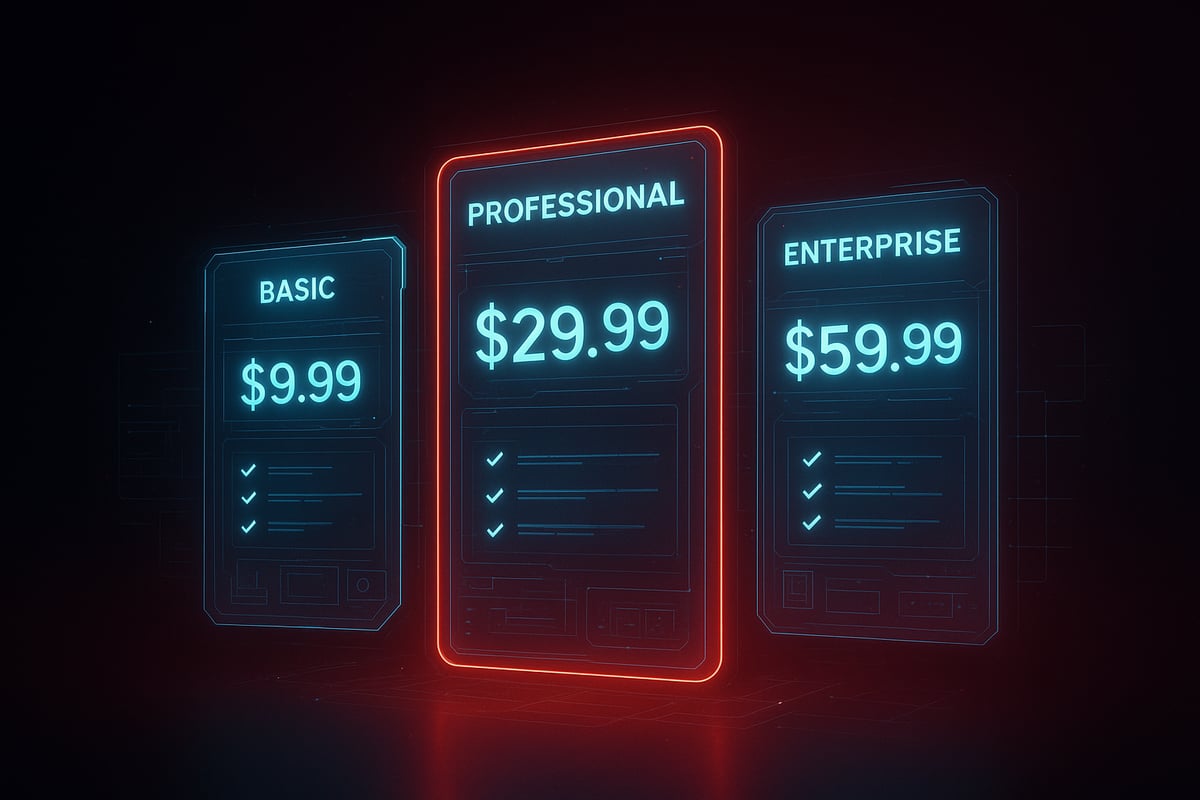
1. Basic Packages:
Ideal for startups or microsites, these cover up to 5 pages. Expect core UI/UX design, simple branding, and essential integrations like contact forms. Development typically uses popular builders or templated WordPress, ensuring responsive layouts and fast deployment.
2. Professional Packages:
Aimed at SMBs needing 20 to 40 pages, these website design packages expand to include advanced UI, custom graphics, eCommerce, and third-party integrations like CRM or newsletters. Support is more robust, with post-launch training and analytics setup. Pricing generally ranges from $3,500 to $7,500.
3. Enterprise Packages:
For organizations with complex needs—think 75+ pages, custom features, and deep system integrations. These website design packages often include strategic workshops, milestone-driven delivery, and continuous optimization. Support shifts from basic troubleshooting to strategic partnership, with pricing from $15,000 to $100,000+.
| Tier | Pages | Features | Typical Price | Best For |
|---|---|---|---|---|
| Basic | Up to 5 | Core design, simple integrations | $3,500+ | Startups, Microsites |
| Professional | 20–40 | Custom UI, eCommerce, analytics | $3,500–$7,500 | SMBs, Growth Brands |
| Enterprise | 75+ | Full custom, strategy, support | $15,000–$100,000+ | Large Enterprises |
Higher tiers offer more than just added pages—they build in clarity, rhythm, and a true design partnership.
Subscription and Ongoing Partnership Models
A dramatic shift in 2026: website design packages now often come as ongoing partnerships, not one-off projects. Subscription models, such as $5,000 per month retainers, deliver continuous updates, optimization, and built-in support. This is a game changer for brands who need to evolve fast and stay ahead.
With these packages, you get rapid iteration, AI-powered analytics, and integrated A/B testing as standard. Instead of waiting months for a redesign, your site adapts in real time to market shifts and user feedback. Embedded design partners enable startups to scale without constant vendor handoffs.
Modern website design packages now almost always include at least 90 days of post-launch support—no more “launch and vanish” scenarios. If you want a deeper dive into how ongoing design relationships work, our studio membership for ongoing web design article breaks down the benefits.
The new model is clear: invest in systems, not just screens. Prioritize a design process that grows with you, delivering clarity and momentum every step of the way.
The 2026 Design Process: From Discovery to Launch
Choosing website design packages in 2026 is not just about picking a style or ticking boxes. The real challenge is understanding how the process brings clarity, rhythm, and measurable value to your brand. Let’s break down each phase and reveal how modern studios build sites that last.
Step 1: Discovery & Strategy
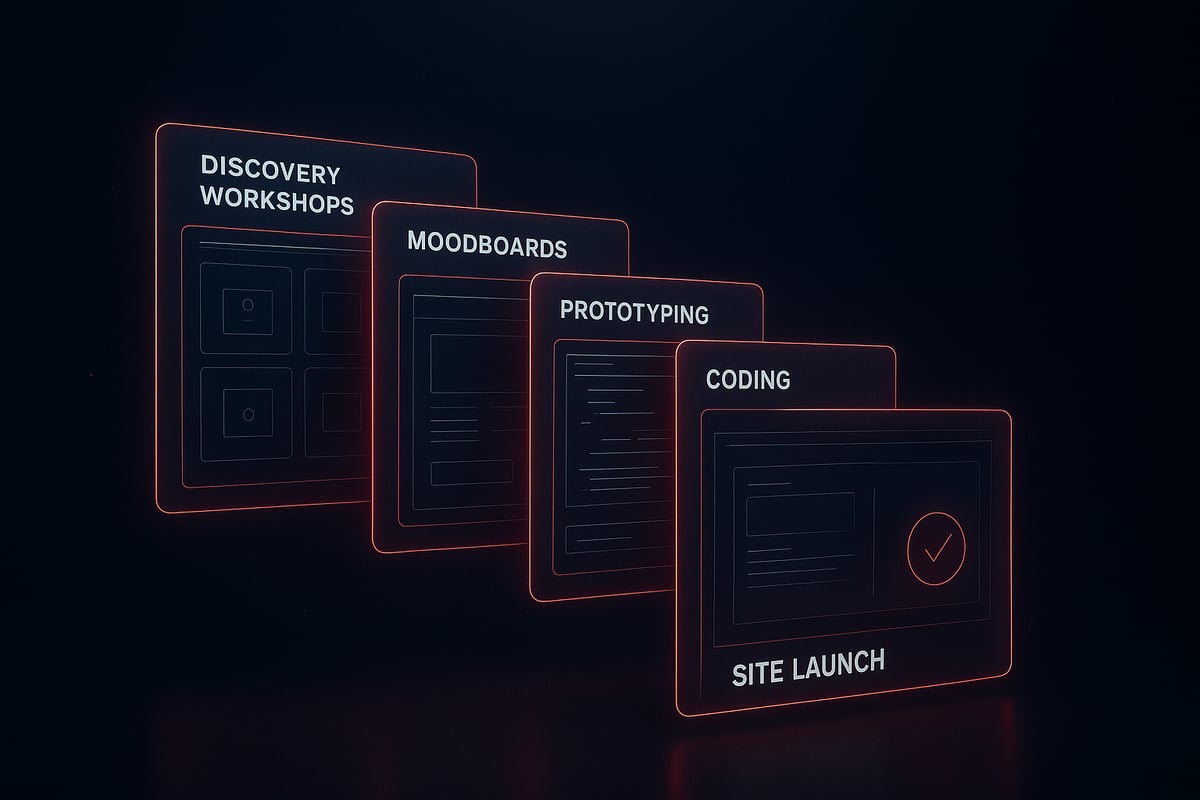
Many assume website design packages start with visuals, but the real journey begins with deep discovery. Studios lead intake workshops to uncover business goals, audience insights, and current digital gaps. These sessions build the foundation for a strategic site architecture and robust content plan.
For example, a studio might guide a client through competitive analysis and map out a scalable sitemap. This systems-first approach ensures every design decision supports long-term growth, not just launch day aesthetics.
Why does this matter? Clarity up front reduces costly missteps later. Aligning on goals and structure transforms a website from a static brochure into a living business tool. It’s the difference between a site that just looks good and one that truly works.
Step 2: Creative Direction & Prototyping
Once strategy is set, website design packages move into creative direction. Here, teams generate moodboards and run design inspiration sessions to establish a distinct visual language. Wireframes and high-fidelity prototypes let stakeholders experience the site’s flow before any code is written.
Imagine iterating a homepage hero: designers test narrative rhythm, shifting headlines and imagery to maximize trust and engagement. Psychology drives every decision. Hierarchy, spacing, and visual cues guide users naturally through content.
Modern tools like Framer empower this phase, enabling fast, interactive prototypes and seamless feedback. For an in-depth look at these workflows, see the Framer experts guide 2026.
AI accelerates asset generation and can automate user testing, but real creative strategy remains human-led. The studio’s job is to maintain clarity and intent, never letting automation dilute the brand story.
Step 3: Development & Optimization
With prototypes locked, website design packages shift into development. Custom coding using platforms like WordPress or Framer ensures flexibility and scalability. Mobile-first builds, component libraries, and clean code are the norm.
A real UI scenario: optimizing image assets and schema markup for speed and SEO, while maintaining design integrity. AI-driven tools can automate quality assurance, flagging broken links or mismatched elements before launch.
But here’s the insight—AI supports the technical heavy lifting, freeing designers to focus on system clarity and user experience. The result is a site that feels effortless to use and effortless to maintain.
Step 4: Content Migration & Launch
The final stage of website design packages is all about precision. Content migration, whether manual or automated, preserves SEO fields and ensures nothing is lost in translation. Internal QA, staging, and client training guarantee a drama-free go-live.
A successful launch is never a single event. Studios treat it as a process, monitoring performance and stability over multiple days. Post-launch, analytics and feedback loops kick in, driving continuous improvement.
The ultimate takeaway? Great design is systematic, not accidental. Every step, from discovery to launch, is orchestrated for clarity, rhythm, and brand growth. Want to see how our Embark Studio™ toolkit brings this process to life? Stay tuned for our frameworks in progress.
How AI and Modern Workflows Are Changing Website Packages
Choosing website design packages in 2026 is more complex than ever. Many believe AI can fully automate web design, but the truth is more nuanced. The real innovation lies in how AI and modern workflows empower designers to build systems that scale, adapt, and clarify, rather than simply generate screens.

AI-Assisted Design: Speed and Scale, Not Substitution
The new generation of website design packages leverages AI to accelerate the design process. AI tools generate image and video assets from prompts, rapidly prototype layouts, and deliver analytics within hours. Still, the key insight is that AI does not replace creative direction or strategic depth.
For example, after launch, automated heatmaps and AI-driven user flow analysis reveal which sections engage visitors and which need refinement. Designers then interpret this data to clarify hierarchy and narrative flow. This partnership ensures websites don’t just look good but perform with measurable intent.
If you want to dive deeper into how AI is transforming design workflows, see AI's Impact on Web Design in 2026. These tools remove noise and guesswork, but never the need for human vision.
Collaborative Platforms & No-Code/Low-Code
Modern website design packages increasingly include platforms like Framer and Webflow. These tools empower non-technical teams to update content, adjust layouts, or launch campaigns without waiting for developer cycles.
A real UI scenario: a startup’s marketing lead tweaks the homepage hero using a shared component library. Brand rhythm and consistency are preserved because the system is designed with clarity in mind from the start. This reduces handoff friction, letting teams iterate quickly while maintaining the intended user experience.
Component-based design is now the standard. It’s not about static templates, but about living systems that evolve with your business.
Continuous Improvement as a Package Standard
Continuous optimization is now standard in premium website design packages. A/B testing, conversion tuning, and analytics are built into monthly workflows, not tacked on as afterthoughts.
Here’s how the cycle works:
- Launch with baseline analytics and built-in feedback loops.
- Review monthly reports to spot areas for improvement.
- Iterate through design and content updates, guided by real user data.
A typical package includes 90-day support, regular updates, and transparent reporting. This ensures your digital presence remains sharp, stable, and aligned with your goals.
The future is about systems, not just screens. Embark Studio’s frameworks focus on clarity, rhythm, and sustainable growth—so your website evolves as fast as your ideas.
Pricing Logic and Value: What Should You Pay in 2026?
Choosing the right website design packages is not just about comparing numbers. The real challenge lies in decoding what each package truly offers and how that aligns with your business trajectory.
Pricing Structures Explained
Many assume website design packages are simple line items—yet today, pricing is a layered process. Studios now offer fixed-fee, retainer, and value-based models, each shaped by project scope, technical requirements, and ongoing support.
A fixed-fee package may cover a basic five-page site with core features. Monthly retainers, often used for larger or evolving brands, bundle continuous design, optimization, and strategy. Value-based pricing, meanwhile, ties cost to business outcomes, rewarding clarity and measurable growth.
| Pricing Model | Typical Range | Best For | Includes |
|---|---|---|---|
| Fixed-Fee | $3,500–$10,000 | Small sites, startups | Design, build, basic support |
| Retainer | $5,000+/mo | Scaling SMBs, ongoing | Iteration, analytics, enhancements |
| Value-Based | $15,000–$100,000+ | Enterprise, complex | Strategy, systems, full support |
The value of website design packages is defined by more than just the number of screens. What matters is how each layer—design, development, support—contributes to a system that grows with you. For a deeper dive into high-tier value, see high-end web design strategies.
How to Assess ROI and Avoid Overpaying
Evaluating website design packages requires more than a surface-level price check. Start by mapping your growth goals against what’s included: strategy, technical SEO, integrations, and ongoing support. Cheap packages often hide costs in missed conversions or technical debt.
Professional copywriting, premium hosting, and analytics setup can multiply ROI, turning a site into a business engine. AI-powered reporting now helps studios show ongoing value, tracking conversion improvements and user engagement in real time. For more on this, review AI's Role in Web Development and how automation impacts cost efficiency.
Studio thinking: clarity and rhythm in your digital presence come from investing in systems, not just visuals. Our Embark Studio™ framework is built for this kind of sustainable, measurable growth.
Step-by-Step: How to Choose the Right Website Design Package
Choosing the right website design packages isn’t just about features or price. The real challenge? Finding a model that adapts as your business grows, ensuring clarity and rhythm in your digital presence. Here’s a cinematic, actionable process to make your decision with confidence.
1. Define Your Business Goals and Growth Trajectory
Start with clarity. What does success look like for your brand—more leads, higher conversions, or deeper authority? Picture your roadmap for the next 12 to 36 months. If you expect rapid scaling or frequent content updates, your website design packages must support flexibility and easy integration.
Refer to the Corporate website development guide for an in-depth framework on aligning site strategy with business targets.
2. Audit Your Current Digital Presence
Next, take inventory. Is your site fast and accessible? Are there technical or UX gaps holding you back? Compare your current state with competitors. Use a table or checklist to spot missing features or performance issues. This groundwork ensures your next website design packages fill real gaps, not just add surface polish.
3. Map Requirements to Package Features
List must-have features: eCommerce, SEO, CRM integrations, or custom dashboards. Prioritize what will move the needle for your business. Then, compare package tiers side by side:
| Feature | Basic Tier | Pro Tier | Enterprise |
|---|---|---|---|
| Custom Branding | ✓ | ✓ | ✓ |
| Advanced Integrations | ✓ | ✓ | |
| Ongoing Support | ✓ | ✓ | |
| AI Analytics | ✓ |
This methodical mapping helps ensure website design packages truly serve your needs.
4. Evaluate Design Process and Team Fit
A great package means little without a strong partnership. Assess how each studio communicates and iterates. Do they run discovery workshops, offer moodboards, and prototype with you? Seek teams who prioritize system clarity, not just pretty screens. An embedded partner will guide you through uncertainty, not just deliver assets.
5. Compare Pricing and Value
Look beyond sticker price. Does the package include strategy, optimization, and support? Are premium add-ons like copywriting or hosting part of the offer? Remember, the best website design packages invest in systems that return value long after launch.
6. Insist on Post-Launch Support and Iteration
Demand more than a handoff. Ensure your package includes at least 90 days of support, analytics setup, and a plan for ongoing improvement. Real UI example: Running A/B tests on your homepage CTA after launch to boost conversions and reduce noise.
7. Make Your Selection with Confidence
Choose a partner who thinks in systems and prioritizes clarity. The right website design packages should empower your brand to adapt and thrive, not just look good today. For a deeper dive into frameworks that elevate your process, explore the Embark Studio™ toolkit in progress.
You’ve just explored what goes into choosing a website design package that’s actually built for 2026—not just a quick launch, but a long term, scalable digital system. If you’re ready to see how high performance design and ongoing partnership can accelerate your startup’s growth, it’s time to dive deeper. You deserve clarity on what’s included, how pricing works, and which options match your goals and roadmap. Let’s make your decision easier—check out our Studio Membership Packages and see how Embark Studio™ can help you build, iterate, and thrive in the years ahead.
Get articles like this in your inbox
Practical design and growth insights for founders. No spam, unsubscribe anytime.


