

Think design for startups is just about pretty visuals? In 2026, design for startups is the engine that drives growth, not just a layer of polish. Strategic, psychology-driven design for startups is how founders stand out in a crowded, AI-accelerated market. This guide reveals the science behind first impressions, the systems that fuel scale, and the real role of AI. Uncover why most startups fail at design, and see how a studio-driven approach can build high-performing, conversion-focused products from day one. Ready to turn design for startups into your growth advantage?
The New Design Landscape for Startups in 2026
The Psychology of First Impressions
First impressions in design for startups are everything. Research shows users decide if they trust a digital product within seconds. Cognitive biases like the halo effect shape these snap judgments.
Consider a fintech landing page. Its visual hierarchy leads the eye from headline to CTA. The clarity in spacing and rhythm removes friction, making the interface feel safe and credible.
A recent Forbes/CEI study found 86% of users will pay more for better experiences. For startups, this means every pixel must be intentional. Clarity and order in layout aren’t just “nice to have”—they’re essential to building trust at first glance.
Why Design is Now a Growth Lever, Not a Cost Center
The narrative has shifted. Design for startups is no longer an afterthought—it’s mission critical. Investors and users alike respond to clear, compelling visuals and stories.
Take Phaidra and Cervest. Both secured millions in funding, thanks in part to pitch decks that paired sharp design with strategic messaging. These decks act as silent salespeople, shortening sales cycles and boosting confidence.
A strong design foundation does more than look good. It drives retention, increases virality, and builds investor trust. For startups, design isn’t an expense—it’s a multiplier.
The Rise of AI-Assisted Workflows (But Not AI-Generated Design)
AI is transforming design for startups, but not by replacing creativity. Instead, AI accelerates tasks like prototyping, feedback gathering, and asset generation.
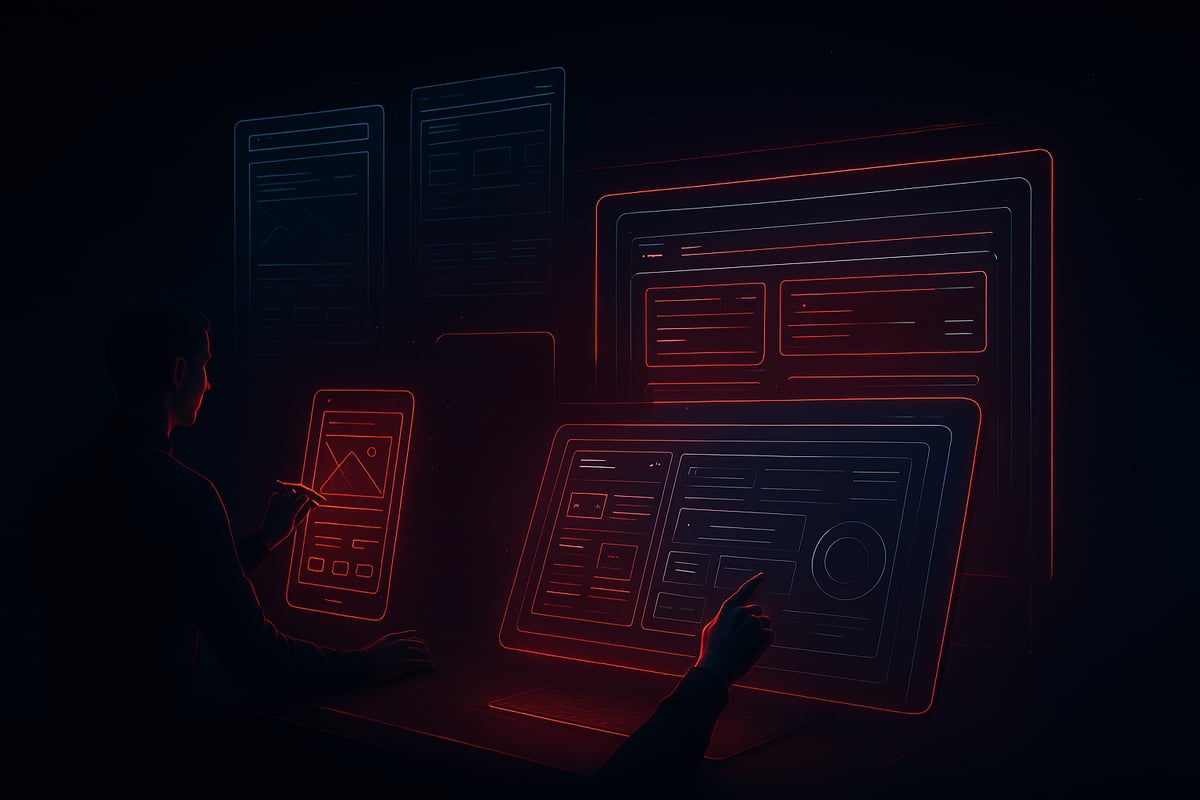
Picture this: a team uses AI to generate wireframes for multiple devices. The designer then refines these, ensuring the result aligns with brand and user psychology.
With over 55% of web traffic now mobile, AI helps optimize for every screen size. Yet, the final call—what feels right, what connects—remains a human judgment.
The Demand for Systems, Not Screens
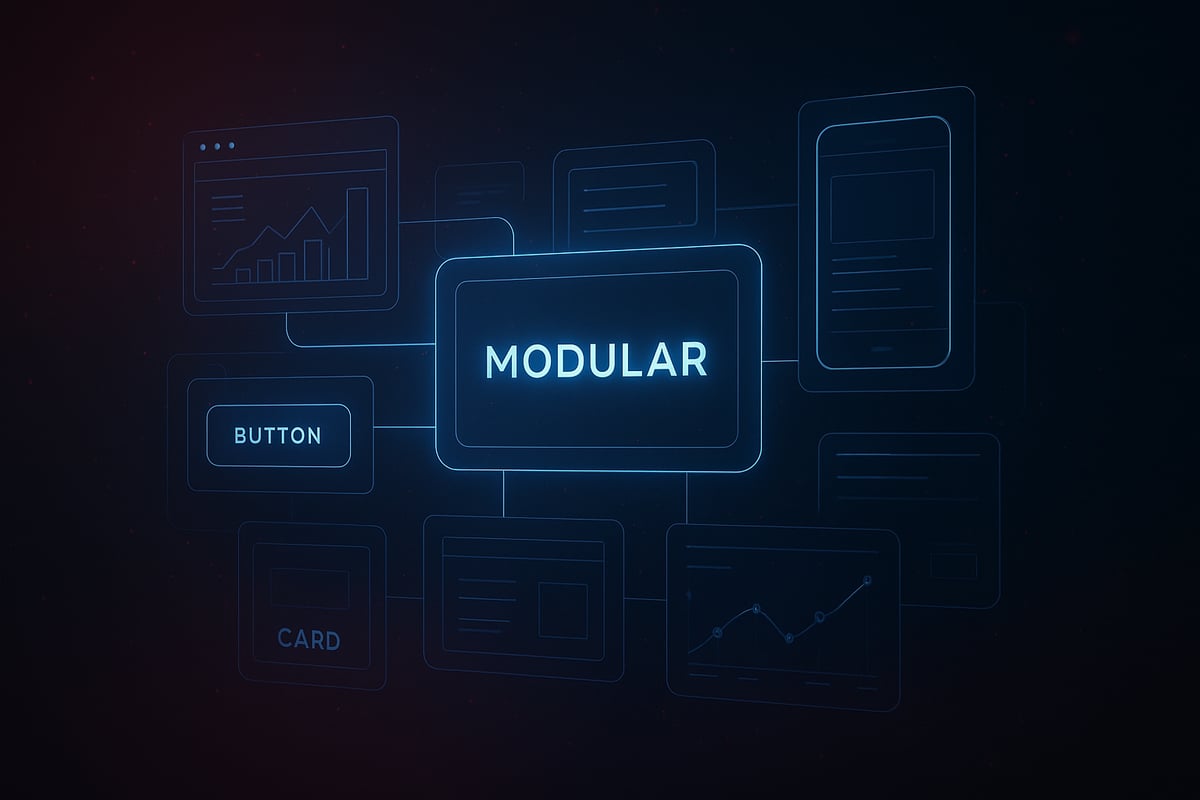
Modern design for startups demands more than pretty pages. Scalable design systems are now the backbone of growth. Instead of reinventing the wheel for each feature, modular components enable speed and consistency.
Studios have adopted a systems-first mindset. This means thinking beyond individual screens to create living libraries of buttons, forms, and layouts. For a deep dive into how scalable systems drive startup success, see Scalable Design Systems for 2026.
Systems reduce friction for designers and developers alike. They make iteration faster and keep the brand experience cohesive at every touchpoint.
The Pitfalls of Chasing Trends Over Principles
It’s tempting to chase the latest design trend, especially with generative AI visuals everywhere. But for design for startups, timeless principles win.
Mistakes happen when usability is sacrificed for novelty. Overly complex visuals or confusing flows drive users away. Instead, clarity, rhythm, and narrative should guide every decision.
The most successful startups focus on what’s proven—systems over screens, clarity over noise. This approach isn’t just safer, it’s what scales.
Building a High-Performance Design System for Startups
In 2026, the biggest misconception is thinking a design system is a luxury. In reality, a high-performance system is the backbone of design for startups. Without it, every new screen becomes a guessing game, draining time and trust.
Step 1: Define Your Core Brand DNA
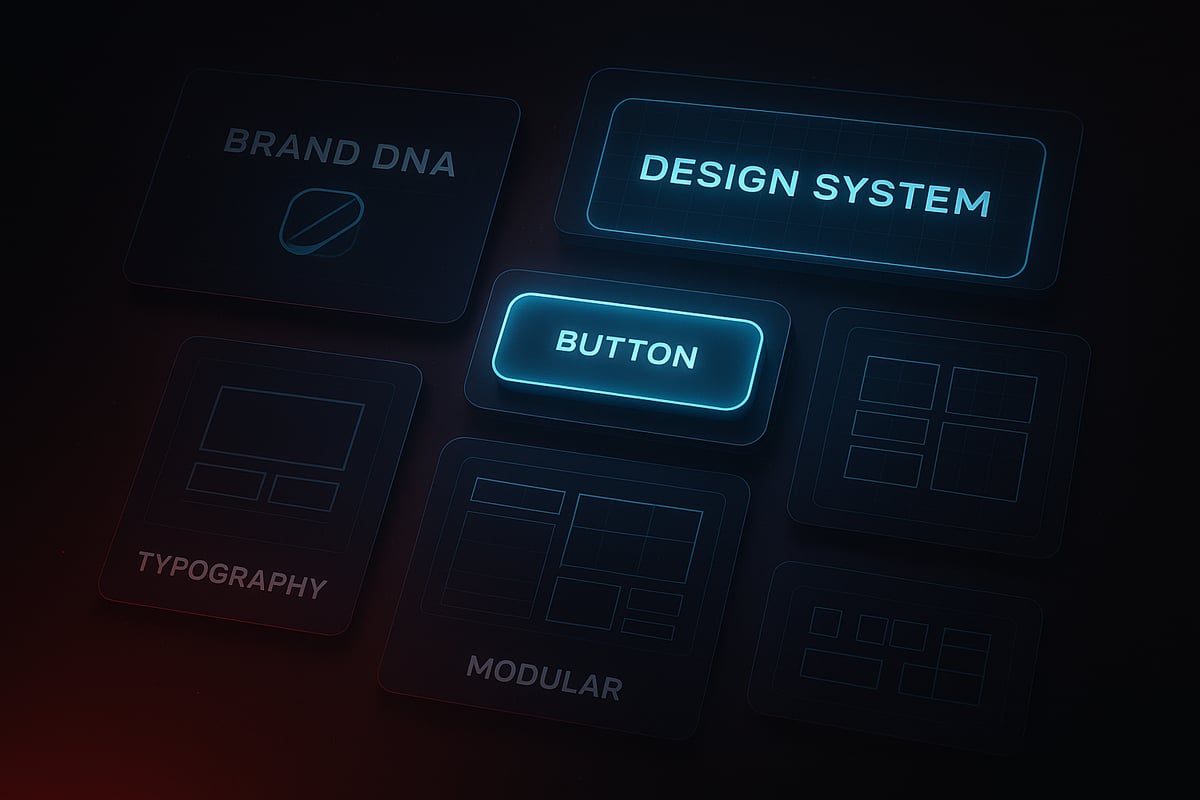
Every effective design for startups begins with clarity. Before drawing a single pixel, clarify your brand’s mission, values, and audience. For example, an AI-powered climate startup might fuse cool, tech-inspired colors with organic curves, signaling both innovation and environmental care.
Brand clarity becomes your north star. It guides every component, ensuring consistency and trust as you scale.
Step 2: Architect Your Design System
Next, build a library of reusable components—buttons, forms, color palettes, and typography. Imagine designing a button once, then reusing it across web and mobile. This modular approach is what sets high-performance design for startups apart from ad-hoc design.
Consistency reduces cognitive load for both users and developers. Want to dive deeper? Explore the 7 Essential Framer Design Features that power scalable systems for startups.
Step 3: Map the User Journey (Psychology-Driven)
Identify the key moments in your user’s journey—onboarding, conversion, and retention. High-growth startups map these carefully, ensuring every touchpoint is frictionless. For instance, a seamless onboarding flow boosts user confidence and retention.
Data shows startups prioritizing onboarding in their design for startups strategies see direct gains in retention rates.
Step 4: Prototype and Test Rapidly (AI-Accelerated)
Leverage AI tools for wireframe generation, user testing, and analytics. AI can quickly surface patterns in user behavior, but interpreting those insights remains a human skill. Rapid prototyping means you can test, learn, and iterate far faster than traditional workflows.
This blend of AI speed and human judgment is crucial for startup agility.
Step 5: Document and Evolve
Treat your design system as a living product. Maintain clear, accessible documentation for every decision and update. This approach enables your team to build, ship, and iterate at startup speed, while avoiding the chaos of “design debt.”
Studio thinking means systems, not screens, are your real asset. Clarity and rhythm must evolve with your business.
Why Partnering with a Modern Product Design Studio Matters
The best design for startups is never one-size-fits-all. You need partners who embed with your team, think in systems, and drive continuous improvement. Embark Studio™ offers AI-assisted workflows, direct access to senior architects, and a living system that grows with your product.
Ready to future-proof your startup’s design? Explore the frameworks and toolkits that power high-growth teams.
Conversion-Focused Product Design: Process and Principles
First impressions are everything. In the world of design for startups, most users decide within 30 seconds whether to stay or leave. The cost of unclear, noisy, or slow experiences is real. Imagine a SaaS signup flow cluttered with jargon and endless steps—users bounce before you have a chance to engage them. The solution is not more features but a sharper, process-driven approach.
Hook: Most Startups Lose Users in the First 30 Seconds
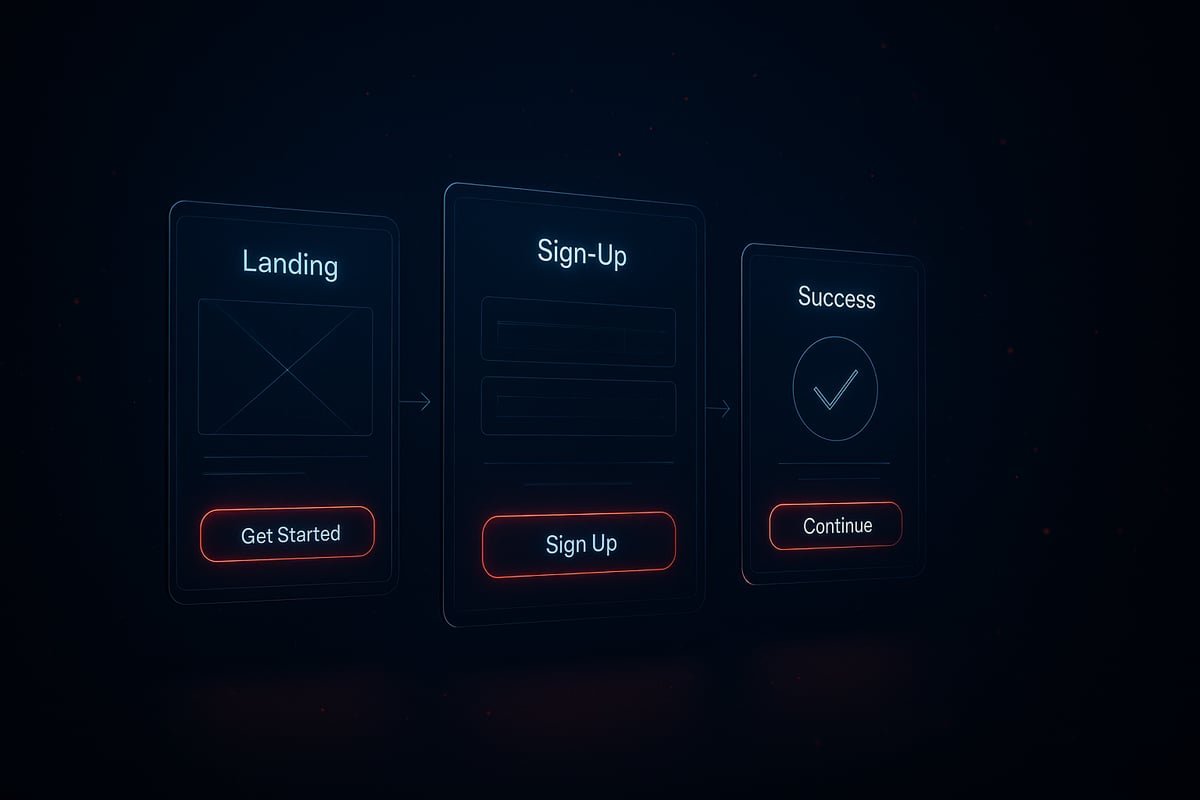
Every second counts. Users land on your product, and within moments, they're making judgments. If the experience feels confusing or slow, trust evaporates. In design for startups, a seamless introduction is make or break. Think of a SaaS onboarding where a clear headline and focused visuals guide the user—confidence rises, and so do conversions.
Principle 1: Clarity Over Cleverness
Clarity is non-negotiable. Clever copy or flashy visuals might grab attention, but if users can't find what they need, they'll leave. Build your design for startups around direct language, prominent CTAs, and logical flow. For example, a pricing page that uses progressive disclosure—showing details only as needed—reduces decision anxiety and keeps users engaged.
Principle 2: Rhythm and Visual Hierarchy
Guide the eye with intention. The rhythm of spacing, color, and typography creates a visual path. In design for startups, a dashboard that highlights actionable insights above supporting data helps users focus on what matters. Use consistent padding, bold color for key actions, and clear section headers. A simple table can help prioritize information:
| Element | Priority | Placement |
|---|---|---|
| Primary CTA | High | Top right |
| Key Metrics | High | Center/main |
| Help/Support | Medium | Footer |
Principle 3: Reduce Friction, Increase Trust
Friction kills momentum. Streamline forms, minimize required fields, and add microinteractions for instant feedback. Startups with frictionless onboarding see up to 25% higher retention. Picture a sign-up flow where each field validates in real time and a friendly progress bar reassures the user—trust builds with every step.
Principle 4: Mobile-First, Always
More than half of all traffic is mobile. Design for startups must prioritize touch, speed, and accessibility from the start. Responsive systems outperform isolated screens. Test your flows on real devices, use large tap targets, and ensure load times are under three seconds. Your users expect fast, flawless experiences, wherever they are.
AI Angle: Accelerating, Not Replacing
AI is a powerful accelerator, not a replacement for creativity. Use AI for A/B testing, user segmentation, and rapid prototyping. For example, AI can generate multiple layout options based on user data, but the final curation always belongs to experienced designers. Human insight remains the secret ingredient.
Studio Thinking: Systems-Driven, Outcome-Focused
The highest-performing teams treat design as a living system, not a collection of screens. Every decision is documented, every outcome measured. This mindset is at the heart of design for startups. Want to dive deeper? Explore frameworks and case studies in the Product Design & Innovation Guide to see how scalable systems drive real growth.
Scaling Design with AI-Assisted Workflows (Without Losing the Human Touch)
The biggest myth in design for startups today? That AI can replace the creative spark. In reality, the best results come when AI boosts human vision, not when it runs the show. As startups race to launch, the real differentiator is how seamlessly technology and human judgment combine.
The Real Role of AI in Startup Design
AI in design for startups acts as a co-pilot, not the pilot. It automates repetitive tasks, quickly generates UI variations, and brings data-driven insights to the table. For example, teams can use AI to create multiple hero image options for a landing page, letting stakeholders review and select the best fit in minutes. Yet, the final call always belongs to the designer.
Want to go deeper? The Human-Centered AI Design Guide unpacks how startups balance AI speed with human judgment for scalable results.
Workflow Example: From Concept to Launch in Days
A streamlined workflow for design for startups now looks like this:
- The founder sketches an idea and outlines goals.
- AI tools generate initial wireframes based on prompts and brand DNA.
- Designers refine layouts, apply the design system, and ensure clarity.
- AI runs baseline usability tests, highlighting friction points.
- Human designers interpret results, adjust for nuance, and launch.
- Measure performance, gather feedback, and iterate.
This process slashes time to market without sacrificing depth or quality.
Avoiding the AI Trap: Why Human Judgment Wins
AI can suggest color palettes or layouts, but it cannot grasp emotion or brand nuance. For instance, an AI might choose a bold color scheme, but only a human can adjust it for accessibility and brand tone. In design for startups, this balance ensures that every user interaction feels intentional and on-brand.
A quick comparison:
| Task | AI Strength | Human Strength |
|---|---|---|
| Wireframe Generation | Speed | Contextual Clarity |
| Usability Testing | Data Analysis | Emotional Insight |
| Visual Decisions | Variation | Brand Nuance |
Studio Thinking: Continuous Improvement Loops
Great design for startups is never static. Systems enable teams to incorporate insights fast, evolving products with every user session. At Embark Studio™, we see each launch as the beginning, not the end. Every user action becomes fuel for smarter, sharper design.
Curious about these AI-powered feedback loops? Our toolkit is built for high-velocity, human-centered design, keeping your startup ahead without losing its soul.
Real Startup Design Scenarios: From Pitch to Product
Every startup dreams of making an impact, but the path from idea to market is paved with design decisions. The real difference between surviving and scaling often comes down to how you approach design for startups. Let’s break down five cinematic scenarios that show how systems, psychology, and AI come together to drive results.
1. Designing a Winning Pitch Deck
The first impression investors get is rarely the tech itself—it’s your story and visuals. In design for startups, a pitch deck is more than slides, it’s a narrative system.
- Start with your why—clarity builds trust.
- Use visual hierarchy to guide attention, combining bold headlines with supporting data.
- Integrate data visualizations that reveal growth potential, not just numbers.
Take Phaidra’s pitch deck: it balanced tradition with innovation, helping secure $4M by linking a compelling story with clean, rhythmic design. When you align psychology with structure, you transform curiosity into commitment.
2. Building Trust with Your First Landing Page
Most users decide to stay or leave within seconds. Effective design for startups here means spotlighting your value proposition above the fold, using uncluttered layouts and confident, direct language.
- Place key benefits front and center.
- Support claims with social proof—logos, testimonials, or press mentions.
- Use a clear call to action, avoiding distractions.
Data shows that startups with focused, clear messaging convert twice as well as those with generic content. The psychology is simple: clarity and rhythm reduce cognitive friction, making trust feel effortless.
3. Scaling with a Modular Website
As your product evolves, static pages slow you down. The next step in design for startups is building with modular, reusable components. This system-driven approach lets you pivot quickly, add new features, and maintain consistency.
- Architect a library of UI components—buttons, cards, forms.
- Use a design system to ensure every update feels on-brand and intuitive.
- Connect design and engineering for seamless handoff.
Many SaaS startups now cut development time in half with AI-powered design systems, enabling rapid iteration without sacrificing quality. AI streamlines workflow, but humans still decide what feels right for your brand.
4. Product Onboarding That Drives Retention
The onboarding journey is where many users churn. A thoughtful design for startups approach means mapping each step—welcome, setup, guidance—so it feels natural and empowering.
- Use progressive disclosure, revealing info only when needed.
- Integrate microinteractions for instant feedback and confidence.
- Continuously test and refine flows, using AI analytics to spot drop-off points.
Day-7 retention can rise by 30 percent with seamless onboarding. The trick is to blend clarity and rhythm, guiding users without overwhelming them.
5. Continuous Feedback and Iteration
Launching is just the beginning. High-performing teams treat every release as a starting point for learning. Build systems that capture user feedback, run A/B tests, and adapt quickly.
- Set up analytics dashboards to track real user behavior.
- Schedule regular user interviews to uncover deeper insights.
- Use AI to surface patterns, but rely on human judgment for creative improvements.
Studio thinking means every scenario is part of a bigger system. With the right frameworks, design for startups becomes a process of continuous evolution—not a one-time event. If you want to see how these principles turn into high-growth results, keep an eye on the Embark Studio™ approach.
Design Frameworks and Toolkits for Startup Success
Every founder faces the same question: what separates high-growth startups from those that stall? The answer is not just brilliant ideas or big budgets. True momentum comes from a design for startups approach that is systematic, psychology-driven, and scalable. The right frameworks transform creative chaos into repeatable results.
The Essential Startup Design Framework
A winning design for startups begins with a clear, actionable framework. Map each stage: start with your brand DNA, then build a modular design system. Next, chart every user journey touchpoint, prototype rapidly, launch, and feed real-world insights back into your process.
Why this sequence? Because each step aligns decision-making with user psychology and business goals. As highlighted in Design Thinking's Impact on Startups, startups that systematize design thinking see higher innovation and resilience.
Must-Have Design System Components
A robust system empowers teams to move fast without breaking consistency. At its core, your toolkit should include:
| Component | Purpose |
|---|---|
| Color Palette | Sets brand mood |
| Typography | Guides readability |
| Spacing Grid | Maintains rhythm |
| Iconography | Drives recognition |
| Interaction Patterns | Ensures usability |
When you treat these as building blocks, even non-designers can help craft on-brand, high-performing screens.
AI-Enhanced Tools for 2026
Today, AI supercharges design for startups by accelerating asset creation, analytics, and prototyping. For example, AI can generate illustrations tailored to your guidelines, analyze user flows, or suggest accessibility improvements. According to AI Tools Revolutionizing Design Workflows, these tools let teams iterate at lightning speed, but human creativity always drives the final result.
Measuring Success: Metrics That Matter
Great design for startups is measurable. Track metrics like NPS, conversion rates, time-on-task, and retention. High-growth companies rigorously monitor these numbers, using feedback loops to refine every interface. Data shows startups that iterate on these metrics consistently outperform their competitors.
Studio Thinking: Systems > Screens, Clarity > Noise
In the end, your toolkit is only as powerful as the clarity and rhythm it brings. Studio thinking means building systems that scale, not just static screens. Every process should reinforce clarity over noise, and every decision should ladder up to long-term growth.
Curious how these frameworks work in practice? Embark Studio™’s evolving toolkit is designed to give startups a system for design velocity, not just a stack of deliverables.
Now that you’ve seen how design can be your startup’s ultimate growth engine in 2026—from building systems to leveraging AI and nailing those crucial first impressions—you might be wondering how to put these ideas into action for your own product. That’s exactly where I recommend taking the next step and having a conversation tailored to your goals. You don’t have to figure it out alone—let’s explore how a systems-driven, conversion-focused approach could accelerate your growth. Ready to see what’s possible for your team Book a Free Discovery Call
Get articles like this in your inbox
Practical design and growth insights for founders. No spam, unsubscribe anytime.


