

Most startups pour heart and vision into their websites, yet many still fade into digital background noise. The problem isn’t ambition, but a lack of standout strategy in startup website design.
In 2026, breaking through will demand more than a pretty homepage. You’ll need design that taps into psychology, creates rhythm, and delivers clarity from the first scroll.
This article uncovers seven proven website design ideas that help startups get noticed, earn trust, and drive meaningful growth. We’ll break down why certain UI choices stick, show real startup examples, and reveal how AI can accelerate your workflow without replacing creativity.
Ready to move beyond generic templates? Let’s explore the frameworks that turn startup website design from forgettable to unforgettable.
The Psychology of Standout Startup Websites
Why do so many startup website design projects end up forgettable? The answer is not lack of effort. Most startups fall into traps: cognitive overload, generic templates, and unclear value communication. When every site looks the same, users tune out. In a world where 88% of users never return after a bad experience, blending in is a silent killer.
The real secret behind memorable startup website design is psychological depth. Brands like Maze and Jasper succeed because they use contrast, rhythm, and storytelling to anchor their message. Visual contrast draws the eye, rhythm guides the journey, and narrative creates emotional connection. If you want to understand how color, hierarchy, and story shape perception, explore The Psychology of Color in Web Design for deeper insights.
Let's break down a real UI scenario. Maze’s homepage opens with bold, above-the-fold messaging that speaks directly to user pain points. Animations are purposeful, not decorative. Jasper’s design leads with clear storytelling, using whitespace and rhythm to pace the visitor’s experience. Every element is intentional, guiding users to action and reducing friction.
Rhythm in startup website design is about more than just visual flow. It’s about the spacing between ideas, the pulse of interaction, and the breathing room that allows users to focus. Visual hierarchy, not clutter, tells users where to look next. Clarity always wins over noise. When you balance depth with focus, your interface resonates and lingers in memory.
Studio thinking means designing systems, not just screens. Scalable startup website design is rooted in reusable components, adaptable layouts, and clear documentation. AI tools now accelerate wireframing, moodboarding, and asset generation, but never replace creativity. Instead, they free your team to focus on the message that matters.
For founders and builders, the path to a standout startup website design is not a mystery. It is a method. Anchor your site in psychology, leverage rhythm and clarity, and build with systems that scale. This is the Embark Studio™ blueprint.
7 Inspiring Startup Website Design Ideas for 2026 Success
Cinematic, standout startup website design is no longer a luxury, but a necessity. The digital landscape in 2026 will reward brands that break the mold, think in systems, and use AI to amplify—not replace—creative clarity. Below, discover seven design ideas that transform ordinary startup website design into unforgettable, high-growth experiences.
1. Clay: Social Proof as Trust Accelerator
Many founders believe features alone will drive conversions. In reality, users crave reassurance before they act. Clay’s approach to startup website design puts trust front and center, using prominent client logos, dynamic testimonial sliders, and narrative case studies.
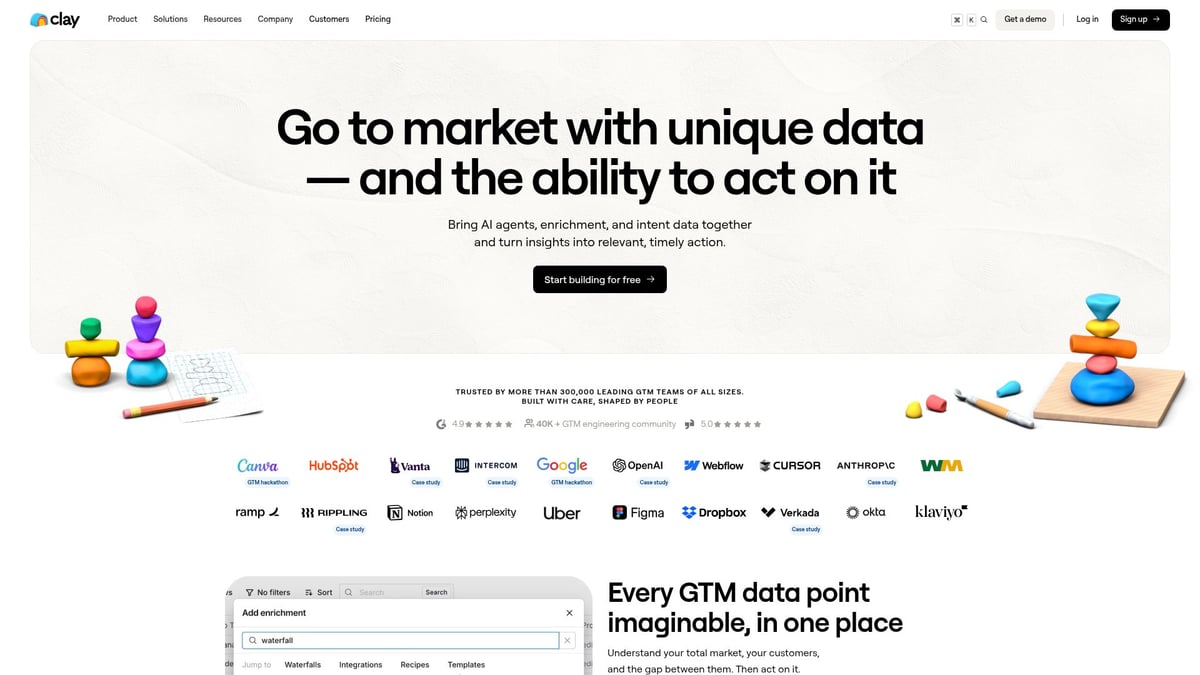
Above the fold, a trust bar instantly signals credibility. Next, real stories from clients deepen emotional engagement, making the value proposition tangible. This design rhythm reduces cognitive friction and nudges users toward action.
For B2B SaaS and service startups, this method accelerates trust and supports longer sales cycles. However, it requires authentic client wins and may not suit stealth launches. AI tools can streamline testimonial curation, dynamically updating trust signals as new clients are onboarded.
Studio thinking: Build your trust systems early. Make credibility visible, not buried, in your startup website design.
2. Retell AI: Real-Time Interactive Demos
Curiosity is fleeting. Retell AI’s startup website design transforms interest into action with live demo widgets and sticky navigation. Users can simulate a call with an AI agent, experiencing product value firsthand before signing up.
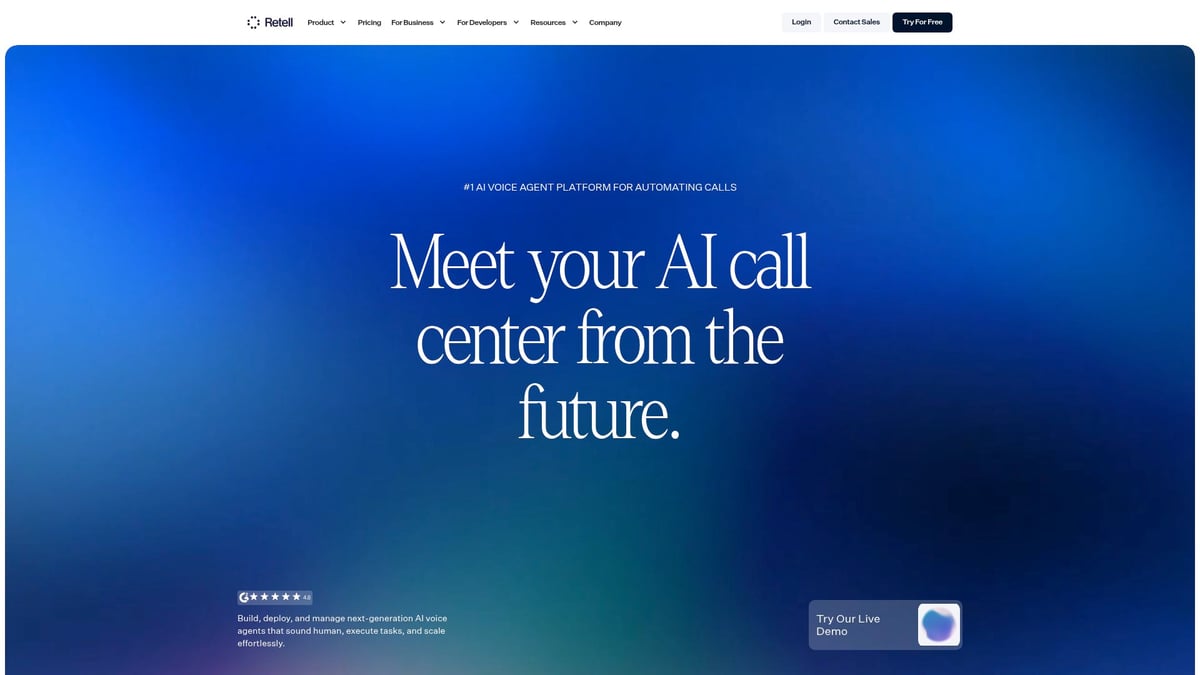
This hands-on approach uses conversational onboarding to reduce friction and clarify complex value propositions. The UI’s rhythm guides users from curiosity to confidence, leveraging interactivity to anchor the brand in memory.
Products with intricate features benefit most from this model. The downside is heavier backend integration, which may be unnecessary for simpler offerings. AI-driven demo flows can personalize the experience, adapting interactions based on user input for deeper engagement.
Studio thinking: Let users touch the future. Interactive demos transform startup website design from passive to immersive.
3. Egglife: Product Storytelling with Lifestyle Integration
Too many startup website design projects focus on specs, not story. Egglife flips the script, using lifestyle imagery, recipe libraries, and “where to buy” CTAs to embed the product into users’ daily routines.
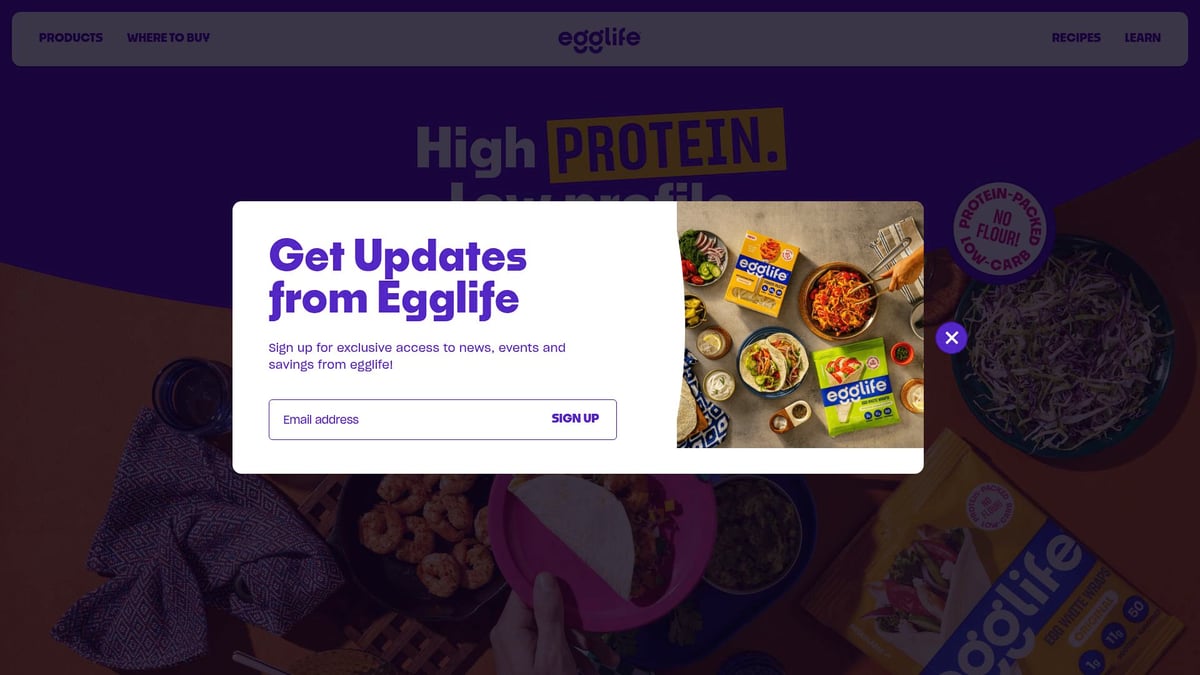
Scroll-triggered animations showcase recipes in context, while Q&A sections address real-world concerns. This narrative rhythm humanizes the brand and extends time-on-site, building emotional resonance through authentic storytelling.
For D2C, food, and wellness startups, this approach turns features into lifestyle aspirations. It does demand ongoing content updates, but AI can help generate fresh recipes and suggest content based on user trends.
Studio thinking: Show, don’t just tell. Integrate your product into the user’s world through thoughtful startup website design.
4. Jasper: Audience-First Messaging
Clarity cuts through noise. Jasper’s startup website design greets users with targeted headlines—“AI for marketers”—and pain-point-driven copy, so visitors know immediately if the product serves them.
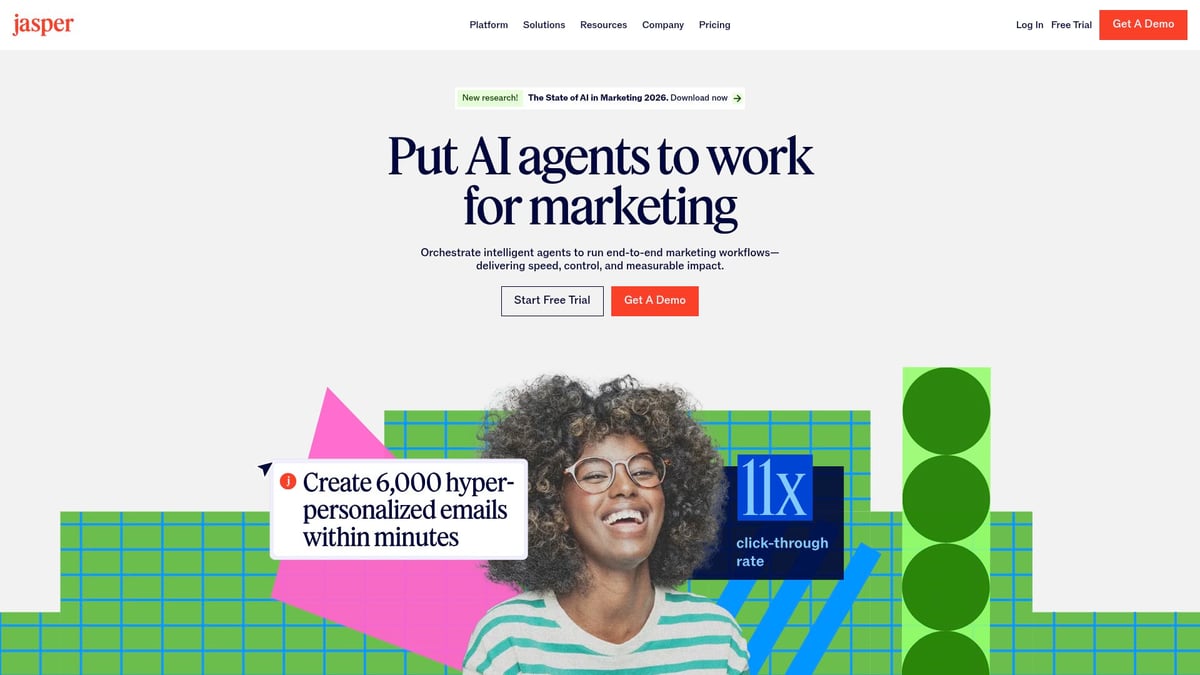
Segmented feature cards and real-use case videos further personalize the journey. By mapping messaging to distinct personas, Jasper drives qualified leads and slashes bounce rates.
This requires deep persona research and ongoing iteration. AI can assist by generating copy variations and creating persona-based landing pages that adapt to user segments in real time.
Studio thinking: Every word counts. Audience-first startup website design is about instant relevance, not broad appeal.
5. Vareto: Animated Product Explainers
Complex products risk overwhelming users. Vareto’s startup website design deploys animated UI walkthroughs and stepwise feature highlights to simplify technical offerings.
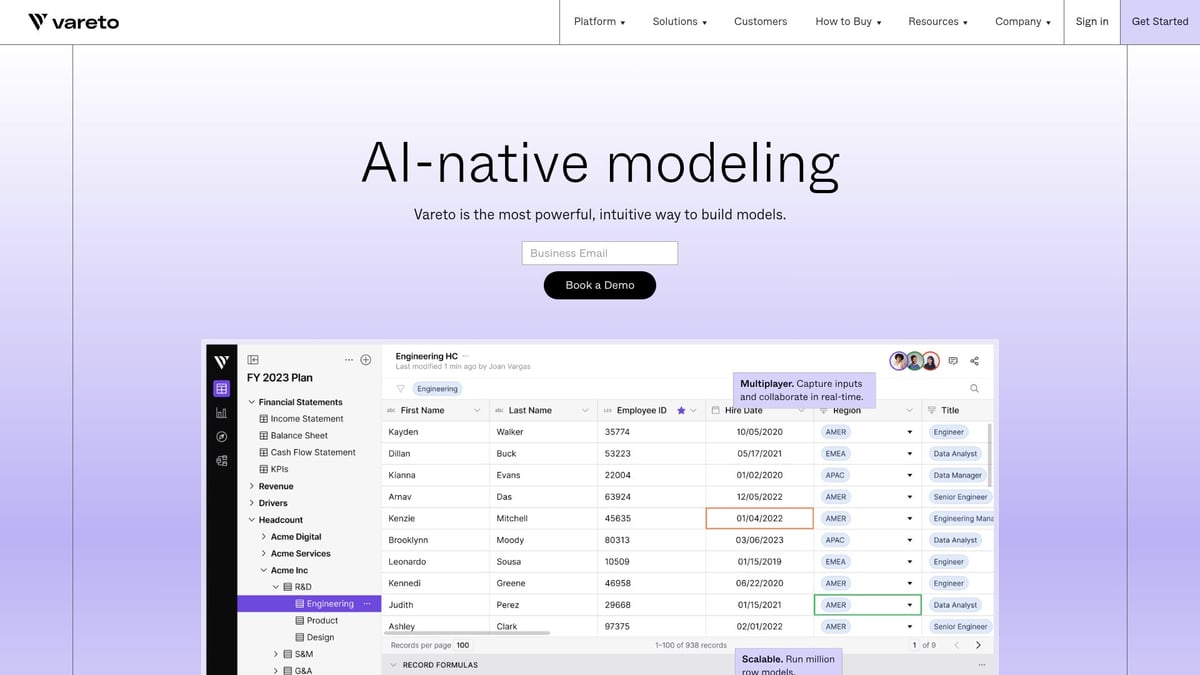
Above the fold, animated dashboards set the stage, while segmented animations guide users through intricate value props at their own pace. This design rhythm appeals to visual learners and clarifies dense information.
Animation must be fast and purposeful, or it risks creating visual noise. AI-generated guides and explainers can adapt content to user behavior, ensuring clarity without sacrificing speed.
Studio thinking: Use motion with intention. Animated explainers elevate startup website design when they clarify, not complicate.
6. KeyReply: Seamless Integration Showcases
Integration anxiety is real for technical buyers. KeyReply’s startup website design addresses this with scrollable integration carousels, compatibility badges, and workflow diagrams.
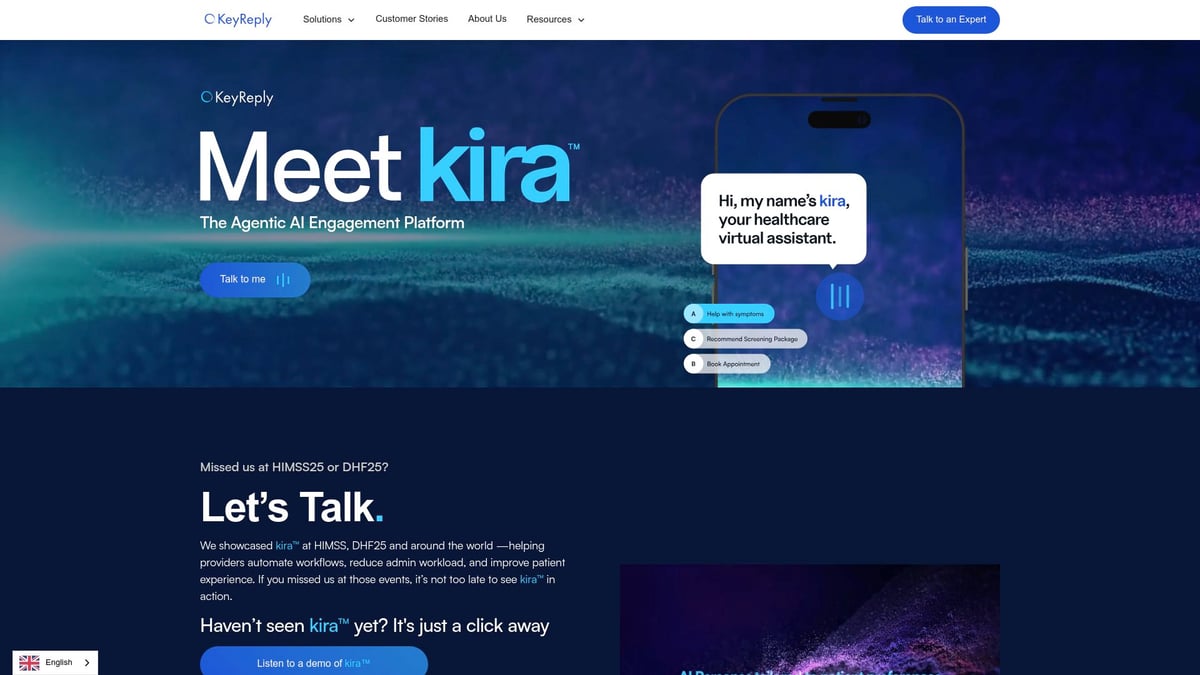
The UI maps out how the product fits into existing ecosystems, using partner logos and journey maps to reduce friction. This clarity is vital for API-driven platforms and B2B tools.
Keeping integration data fresh can clutter the interface if not managed well. AI can automate updates, ensuring new partnerships are reflected instantly and accurately.
Studio thinking: Make integration visible, not an afterthought. Startup website design should demonstrate fit, not just function.
7. Contiant: Digestible Feature Segmentation
Depth beats noise when complexity is clear. Contiant’s startup website design uses animated rows, color-coded sections, and concise feature blocks to break down multi-layered offerings.
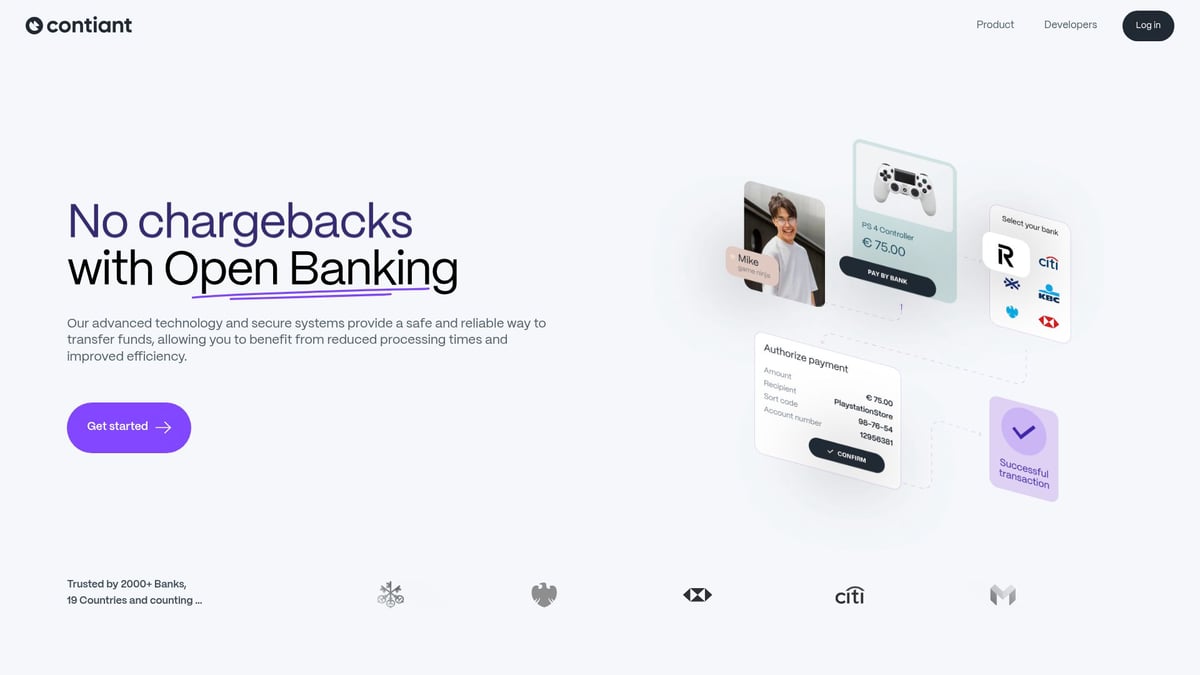
Scroll-based transitions and interactive elements help users explore features without cognitive overload. This structure supports deep dives while avoiding dense, intimidating pages.
Animation must serve comprehension, not distraction. AI tools can intelligently chunk content and highlight relevant features for each user persona.
Studio thinking: Segment with purpose. Modular, digestible startup website design scales as your product grows.
How AI Will Transform Startup Website Design in 2026
The biggest myth in startup website design is that AI will replace human creativity. In reality, AI is becoming the ultimate accelerator, not a substitute for original thinking. For startups aiming to stand out in 2026, the real challenge is using AI to amplify clarity, depth, and rhythm, not just automate tasks.
AI's core strength lies in speeding up the design process. Imagine moving from idea to interactive prototype in hours instead of weeks. With AI tools, designers can instantly generate wireframes, moodboards, and even color palettes tailored to a brand's unique vibe. This means less time spent on repetitive setup and more time refining the emotional core of your startup website design.
Let’s break it down:
- Wireframing at lightning speed: AI suggests layouts based on your goals and audience, helping teams visualize structure before pixel-perfect design begins.
- Asset generation: Need icons, hero images, or animated backgrounds? AI can deliver custom assets on demand, freeing designers to focus on storytelling and hierarchy.
- Real-time personalization: AI-driven websites adapt content and visuals to each visitor, creating a dynamic, relevant experience that boosts engagement and conversion.
For a deeper dive into how AI integrates seamlessly into modern design workflows, see AI's Role in Web Design. It covers how agencies and startups alike are leveraging AI for real UI impact.
Studio thinking means building systems, not one-off screens. By designing modular components and clear documentation from the start, your startup website design remains scalable and adaptable as both your product and AI technologies evolve. This system-first approach cuts noise and puts clarity at the center of every page.
By 2026, 60% of startups are expected to use AI in their web workflows. From automated user testing to instant accessibility checks and dynamic content updates, the future is about blending human insight with machine efficiency.
Ready to future-proof your startup website design? Embrace frameworks that empower creativity and speed, and consider how a partner like Embark Studio™ can help you harness both.
Systems Thinking: Designing for Scale and Clarity
Why do so many startups struggle with growth after their launch? The answer often lies in how their startup website design is approached. One-off screens might look sleek at first, but they quickly become a maze of inconsistencies and bottlenecks as teams scale.
A scalable system solves this. Systems thinking means treating design not as isolated pages, but as a living ecosystem. Every component—buttons, forms, cards—works together, guided by clear documentation and flexible design tokens. This approach transforms startup website design from a patchwork into a strategic asset.
Imagine a startup that outgrows its MVP stage. Without a system, redesigns become expensive and slow. Intercom’s early investment in a modular design system is a prime example: they scaled quickly, onboarded new designers fast, and shipped features with confidence. Their homepage serves both new visitors and returning power users, with modular blocks that adapt to changing needs.
Here’s a simple process for building clarity and scale into your startup website design:
- Identify the core UI elements you’ll reuse.
- Define visual rules—spacing, color, typography—that keep everything unified.
- Document these patterns so anyone on your team can build with confidence.
- Test your homepage with both first-time visitors and experienced users to ensure clarity for all.
AI now plays a supporting role here. Tools streamline documentation, automate quality checks, and keep component libraries up-to-date. For a deeper dive, see this Scalable Design Systems Guide to help future-proof your workflow.
At Embark Studio™, we believe systems always outperform screens. Clarity trumps noise. The right design framework isn’t just about looking good—it’s about scaling without losing your brand’s voice. If you want your startup website design to grow as fast as your business, start with a system that’s built to last.
Embark Studio™: Your Embedded Design Partner for Scalable Startup Sites
Most agencies focus on screens. Startups need a partner for startup website design who thinks in systems, not just pretty visuals. That’s where Embark Studio™ steps in.
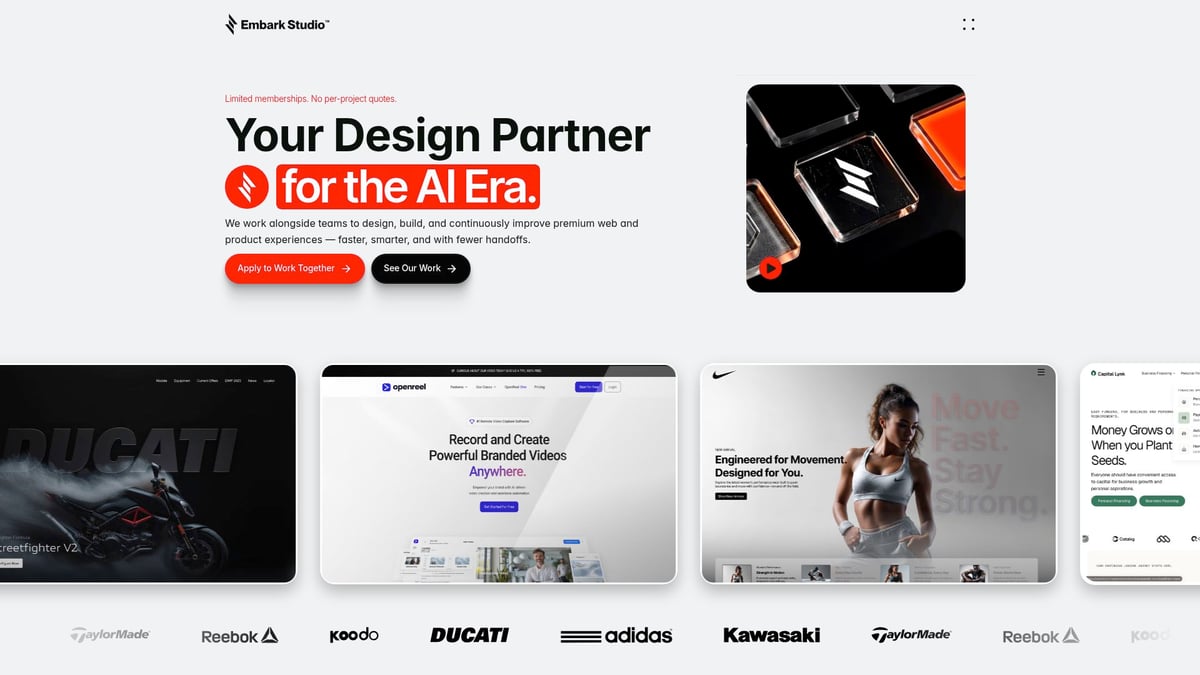
We combine founder-level strategy with AI-assisted workflows so your startup website design launches faster and evolves as you grow. Our membership model means you get direct collaboration and ongoing iteration, not just a one-off project.
Every startup website design we deliver is built for scale, clarity, and adaptability. By blending human creativity with Human-Centered AI Design Principles, we ensure your site stands out and drives results.
Ready to build a startup website design system that grows with you? Discover how Embark Studio™ can help your brand break through digital sameness.
Ready to turn fresh design ideas into real growth for your startup? We’ve seen how clarity, psychology, and smart use of AI can set your website apart in 2026, but having a partner who thinks in systems—not just screens—makes all the difference. If you’re curious how a tailored, conversion-focused site could help your startup scale faster and stand out from the noise, let’s connect. I’d love to explore your vision, challenges, and goals together so you can move forward with confidence. Book a Free Discovery Call and let’s build something unforgettable.
Get articles like this in your inbox
Practical design and growth insights for founders. No spam, unsubscribe anytime.


