

You need design expertise that moves as fast as your product roadmap. Full-time hiring takes months. Agencies bill for every revision. Your in-house team is stretched thin. A fractional designer solves this by embedding senior-level design thinking into your operations without the overhead of a permanent headcount. This model delivers strategic design execution through predictable engagement structures that scale with your growth stage. Here's how to evaluate if it's the right move for your business right now.
What a Fractional Designer Actually Does
A fractional designer operates as an embedded design partner working set hours per week or month. They're not freelancers who disappear after delivering files. They're not agencies managing multiple client priorities simultaneously.
Core responsibilities typically include:
- Leading design strategy and execution across brand, web, and product
- Building and maintaining design systems that scale
- Collaborating directly with product and engineering teams
- Managing design sprints aligned to business milestones
- Making strategic recommendations on tooling and workflows
The fractional model originated in finance and operations (fractional CFOs, COOs) and migrated to creative disciplines around 2018. Design leaders realized they could serve multiple companies simultaneously while delivering higher-level thinking than traditional contract work allowed.
Most fractional designers commit 10-20 hours weekly. That gives you regular touchpoints, consistent forward momentum, and the ability to address both strategic planning and tactical execution. You're buying dedicated calendar time with someone who understands your business context deeply.
How This Differs From Traditional Design Hiring
| Model | Ramp-Up Time | Cost Structure | Strategic Depth | Flexibility |
|---|---|---|---|---|
| Full-Time Designer | 3-6 months | $90K-150K + benefits | Deep, long-term | Low (fixed headcount) |
| Agency Partner | 2-4 weeks | $150-300/hour | Variable by seniority | Medium (project-based) |
| Freelancer | 1-2 weeks | $75-200/hour | Tactical focus | High (short-term) |
| Fractional Designer | 1-2 weeks | $5K-15K monthly | Strategic + tactical | High (adjustable hours) |
Full-time designers make sense when you have 40+ hours of design work weekly and need someone embedded in every meeting. Agencies work well for large projects with defined scope and budget. Freelancers fill immediate gaps.
A fractional designer bridges the middle ground. You get senior expertise without committing to full salary and equity. You maintain flexibility to adjust hours as priorities shift. And you skip the 3-month recruiting process that pulls focus from shipping product.

When Your Business Needs Fractional Design Support
The fractional model solves specific organizational pain points. Recognize these patterns and you'll know it's time to explore this engagement structure.
You're ready for a fractional designer when:
- Your product is gaining traction but design is bottlenecking growth
- You're between $1M-$10M ARR without a design leader
- Your founding team includes no one with deep design experience
- You've outgrown templates but can't justify a $140K salary yet
- You need someone who can manage contractors and agencies effectively
Post-seed, pre-Series A companies hit this inflection point constantly. You've proven product-market fit. Investors expect polished execution. Your engineering team is shipping fast. But design feels reactive instead of strategic.
Real Scenarios Where Fractional Design Delivers
A B2B SaaS company raising Series A needs to redesign their marketing site and build a component library before roadshow meetings start. A fractional designer maps the project, executes the rebrand, and trains the team on the new system in 12 weeks working 15 hours weekly.
A healthcare startup launching a patient portal needs someone to validate UX decisions with clinical staff and ensure HIPAA compliance shows up in interface design. Their fractional designer facilitates research sessions, designs workflows, and collaborates with engineering on implementation.
An e-commerce brand scaling from $2M to $10M revenue needs consistent creative output (landing pages, email campaigns, product photography art direction) but lacks internal design bandwidth. A fractional designer establishes templates, manages external vendors, and maintains brand consistency across channels.
The pattern holds: defined business objective, clear timeframe, need for senior judgment, not enough work to justify full-time headcount.
What Separates Exceptional Fractional Designers From Average Ones
Not every designer can operate fractionally. The model requires specific skills beyond visual craft.
Look for these capabilities:
- Systems thinking over decorative design - They build frameworks that others can execute within
- Business fluency - They connect design decisions to revenue, conversion rates, and user retention
- Process documentation - They leave your team better equipped after every engagement
- Tool flexibility - They adapt to your stack instead of forcing you into theirs
- Communication clarity - They explain tradeoffs in language executives understand
The best fractional designers have led in-house teams before. They understand organizational dynamics. They know how to influence product roadmaps without formal authority. They've shipped enough products to recognize which details matter and which don't.
Fractional design leadership typically requires 8+ years of experience across multiple companies and product types. Junior designers lack the pattern recognition to make strategic calls quickly. Mid-level designers often need more direction than fractional engagements allow.
Red Flags During Evaluation
Watch for designers who pitch fractional work but operate like freelancers. They focus only on deliverables, not sustainable systems. They avoid difficult conversations about strategy. They don't ask hard questions about your business model or customer acquisition costs.
Also avoid designers who can't articulate how they measure impact. "We'll make it look better" isn't a success metric. "We'll increase trial-to-paid conversion by improving onboarding clarity" is.
Ask candidates how they've handled misaligned stakeholders, missed deadlines, or scope changes in previous fractional engagements. Their answers reveal how they navigate ambiguity without a manager providing air cover.
How to Structure a Fractional Design Engagement
The engagement model determines whether this partnership delivers value or becomes another vendor relationship you're managing.
Start with a defined business outcome. "Redesign our website" is too vague. "Increase demo requests by 40% through improved messaging hierarchy and conversion paths" gives your fractional designer a target to design against.
Three Engagement Structures That Work
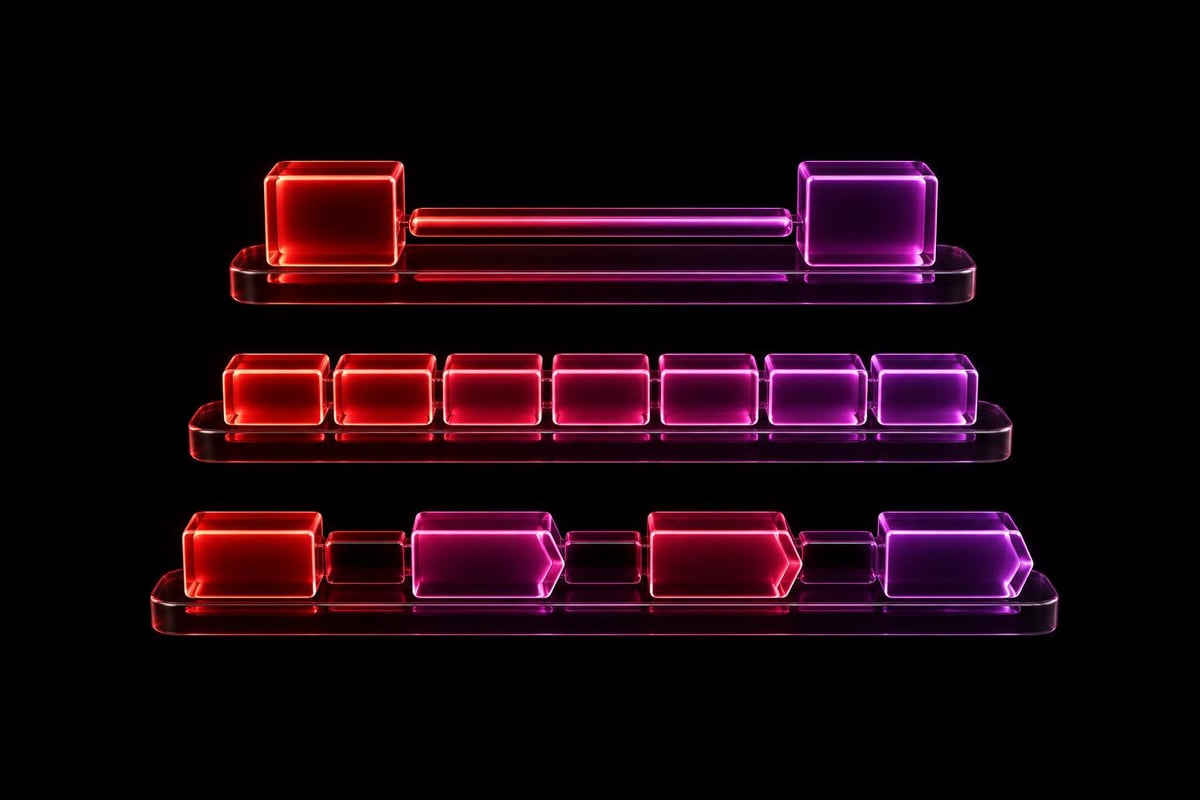
Project-Based (3-6 months) Fixed scope, defined deliverables, clear end date. Works well for rebrands, website launches, or product redesigns. Your fractional designer commits set hours weekly until completion.
Ongoing Retainer (monthly recurring) Continuous support with flexible scope. Hours roll month-to-month. Designer embeds into your team rhythms (standups, sprint planning, strategy reviews). This model fits companies with consistent design needs that fluctuate in intensity.
Hybrid Sprint Model Alternates between high-touch project phases and maintenance periods. Designer works 20 hours weekly during builds, then 5-10 hours monthly for iteration and optimization. Common for companies with seasonal product cycles.
The Embark Partnership model follows this hybrid approach - ramping up and down based on what your roadmap demands each quarter while maintaining continuity and institutional knowledge.
| Structure | Best For | Typical Duration | Monthly Investment |
|---|---|---|---|
| Project-Based | Launches, rebrands | 3-6 months | $8K-$15K |
| Ongoing Retainer | Scaling companies | 6-12+ months | $6K-$12K |
| Hybrid Sprint | Seasonal products | 6-18 months | $4K-$15K (variable) |
Setting Up Your Team to Work With a Fractional Designer
The fractional model fails when companies treat designers like order-takers. It succeeds when you integrate them into decision-making early.
Establish these practices before engagement starts:
- Weekly sync with product and growth leads (30-60 minutes)
- Shared Slack channel or async communication space
- Access to analytics, user research, and customer feedback
- Clear decision-making authority on design choices
- Design review cadence with stakeholders
Your fractional designer should attend roadmap planning sessions. They need context on upcoming features, business priorities, and technical constraints. Without that visibility, they're just pushing pixels instead of solving problems.
Tools and Workflows That Enable Remote Design Partnerships
Most fractional designers work remotely. Your tooling determines how smoothly collaboration flows.
Use Figma for all design work. It's collaborative, version-controlled, and integrates with modern development workflows. Avoid tools that require file handoffs or don't support real-time feedback.
Notion or Linear for project tracking keeps everyone aligned on priorities and status. Loom for async design reviews reduces meeting overhead. Framer or Webflow for website work enables designers to ship production code without engineering bottlenecks.
The best fractional partnerships feel like having an in-house designer who works flexible hours. The worst feel like managing another vendor. The difference is almost always tooling and communication structure.
Pricing Models and What You Actually Get
Fractional design pricing varies based on seniority, specialization, and engagement structure. Understanding market rates helps you evaluate proposals accurately.
Standard pricing ranges in 2026:
- Junior fractional designers (3-5 years): $4K-$7K monthly for 10-15 hours
- Mid-level fractional designers (5-8 years): $7K-$11K monthly for 10-15 hours
- Senior fractional designers (8+ years): $10K-$15K monthly for 10-15 hours
- Fractional design directors (12+ years): $15K-$25K monthly for 10-15 hours
These rates assume US-based designers working on product, brand, or web projects for B2B SaaS or venture-backed startups. Rates drop 30-50% for international talent or less complex work.
What's Included Versus What Costs Extra
Base fractional engagements cover strategic direction, design execution, and collaboration time. Expect deliverables like wireframes, high-fidelity mockups, design systems, brand guidelines, and component libraries.
Most fractional designers don't include production work (front-end development, animation, illustration, photography). Budget separately for specialized execution if your designer doesn't code or offer those services.
Design retainer models that bundle strategy and production streamline this. You avoid coordinating multiple vendors and get faster turnaround on implementation.
Ask upfront what happens when scope expands. Do additional hours bill at the same rate? Is there flexibility to scale up during product launches? Can you pause the engagement if priorities shift?
Common Mistakes Companies Make Hiring Fractional Design Talent
Even companies with strong execution track records stumble when engaging fractional designers for the first time. Avoid these patterns and you'll shortcut to productive partnerships.
Mistake 1: Treating fractional designers like freelancers Freelancers complete discrete tasks. Fractional designers embed into your strategy. Don't hire fractional if you just need someone to design three landing pages. Hire freelance for that.
Mistake 2: No clear success metrics "Improve our design" isn't measurable. Define what success looks like before engagement starts. Tie design work to conversion rates, user activation, or brand perception scores.
Mistake 3: Insufficient stakeholder alignment If your CEO, CMO, and Head of Product have different visions for the brand, your fractional designer will spend all their time mediating instead of designing. Sort that out first.
Mistake 4: Expecting immediate output Even senior designers need 2-3 weeks to understand your product, users, and business model. Budget for discovery before expecting polished deliverables.
Mistake 5: Not documenting decisions When your fractional designer rolls off, institutional knowledge shouldn't disappear. Require documentation of design principles, component usage, and strategic rationale.
Understanding how to brief design partners effectively prevents most of these issues before they surface.
Evaluating Fractional Design Quality Quickly
You can't wait three months to know if a fractional partnership is working. Build evaluation checkpoints into the first 30 days.
Week 1-2: Discovery and Alignment
Your designer should ask hard questions about business model, target customers, competitive positioning, and growth goals. They should review existing brand assets, analytics data, and user feedback. They should propose an initial roadmap with priorities.
Red flag: Designer jumps straight into mockups without understanding context.
Green flag: Designer challenges assumptions and suggests starting with different problems than you initially outlined.
Week 3-4: First Iteration
You should see initial concepts that demonstrate understanding of your brand positioning and user needs. Work doesn't need to be pixel-perfect yet, but strategic direction should be clear.
Red flag: Designer presents work that could apply to any company in your category.
Green flag: Designer articulates specific rationale for visual and structural choices tied to business goals.

Month 2: Velocity and Collaboration
Your designer should be shipping finished work, integrating feedback efficiently, and training your team on new systems. Communication should feel smooth, not like you're chasing status updates.
Red flag: Excessive revision cycles on straightforward changes or missed deadlines without proactive communication.
Green flag: Designer proposes process improvements and identifies dependencies before they become blockers.
How Fractional Design Integrates With In-House Teams
The fractional model works best when it complements existing capabilities rather than replacing them entirely. Think of fractional designers as force multipliers.
Common integration patterns:
- Fractional design director oversees 1-2 junior in-house designers
- Fractional brand strategist partners with in-house product designer
- Fractional web designer collaborates with in-house content and growth teams
- Fractional systems designer builds frameworks for in-house marketing team to execute within
If you already have designers on staff, a fractional partner shouldn't threaten their role. Position it as senior leadership they've been missing. The fractional designer handles strategy, reviews work, and uplevels the team's capabilities.
When to Transition From Fractional to Full-Time
The fractional model has natural limits. When you consistently need 30+ hours weekly of design work across multiple simultaneous projects, full-time hiring makes financial sense.
Other transition signals include:
- Raising Series B+ funding with budget for full design team
- Expanding into new product lines requiring dedicated focus
- Building internal design systems that need full-time stewardship
- Regulatory requirements demanding employees over contractors
The best fractional designers help you plan this transition. They define the role, interview candidates, and ensure knowledge transfer happens smoothly. Some even transition into full-time leadership themselves if timing and fit align.
Building Long-Term Value With Fractional Design Partnerships
Short-term fractional engagements solve immediate problems. Long-term partnerships compound value through institutional knowledge and system iteration.
When the same designer works with your company across multiple quarters, they develop deep fluency in your market, customers, and business model. They anticipate needs before you articulate them. They reference past decisions without requiring documentation every time.
Long-term fractional relationships enable:
- Consistent brand evolution as your company scales
- Faster execution on new initiatives (no onboarding delay)
- Strategic planning aligned to annual business objectives
- Mentorship for junior designers you hire later
- Objective perspective unclouded by internal politics
Product design studios that offer fractional partnerships structure these engagements to support multi-year growth trajectories, not just quarterly sprints.
Measuring ROI on Fractional Design Investment
Track these metrics to quantify fractional design impact:
For brand work:
- Brand awareness scores (aided and unaided)
- Perceived differentiation from competitors
- Premium pricing ability versus category averages
For website design:
- Conversion rate improvements on key pages
- Time on site and engagement metrics
- Demo request or trial signup volume
For product design:
- User activation rates (first-value time)
- Feature adoption percentages
- Support ticket reduction on redesigned flows
Compare baseline metrics pre-engagement to results after 90 days. A 25% lift in trial conversion from website improvements easily justifies $10K-$12K monthly investment.
What Questions to Ask Before Hiring a Fractional Designer
Interview questions reveal how designers think, not just what they've made. Focus on process, judgment, and collaboration style.
Strategic thinking:
- "Walk me through a project where you had to change direction midway. What drove that decision?"
- "How do you prioritize design work when everything feels urgent?"
- "What questions would you ask in your first week here?"
Execution and process:
- "How do you handle feedback that contradicts best practices?"
- "What's your approach to building design systems for small teams?"
- "How do you balance speed and quality when deadlines compress?"
Business understanding:
- "How have you measured design impact in previous roles?"
- "What design decision actually hurt business metrics, and what did you learn?"
- "How do you communicate design value to non-design executives?"
Also ask about availability and communication norms. Do they have other fractional clients? What hours are they typically available? How do they handle urgent requests outside scheduled time?
Portfolio Review Focus Areas
Don't just look at visual polish. Evaluate strategic outcomes and complexity of constraints.
Look for case studies showing:
- Before/after metrics demonstrating business impact
- Explanation of research and discovery process
- How they navigated stakeholder disagreements
- Evolution of design systems across versions
- Work across different industries and problem types
The best fractional designers show range. They've worked B2B and B2C. They've designed for technical and non-technical users. They've executed brand work, web work, and product work.
Alternative Models to Consider Alongside Fractional Design
The fractional model isn't the only way to access senior design expertise flexibly. Understand your options to pick the best fit.
Design subscriptions like those offered by fractional experience providers operate on unlimited request models. You submit design tasks into a queue and get them back within 24-48 hours. Works well for marketing teams needing high volume of relatively straightforward assets.
Design sprints compress specific challenges into intensive 5-day workshops. A designer facilitates research, ideation, prototyping, and testing to validate solutions quickly. Best for de-risking major product decisions before engineering investment.
Productized design services package common deliverables (logo design, website builds, pitch deck design) into fixed-price offerings with defined timelines. Fast and predictable, but limited customization.
Embedded design partners work similarly to fractional designers but typically offer broader capabilities including development, brand strategy, and ongoing optimization. Startups benefit from this integrated approach when they need execution across multiple disciplines.
Choose based on:
- How strategic versus tactical your needs are
- Whether you need one discipline or multiple
- If you have capacity to manage vendors or need a single partner
- Budget flexibility (subscriptions versus retainers versus project fees)
How Fractional Designers Work With Agencies and Freelancers
Most companies use a mix of fractional designers, specialized agencies, and freelancers depending on project type. Understanding how to orchestrate these relationships prevents duplicated effort and misaligned execution.
Your fractional designer should function as creative director when you engage external help. They define requirements, review work, ensure brand consistency, and provide feedback. This prevents you from becoming the translation layer between vendors.
Common division of responsibilities:
- Fractional designer: Strategy, design systems, high-stakes projects, vendor management
- Agencies: Large campaigns, video production, complex brand launches
- Freelancers: Illustration, animation, production design, overflow work
Managing the balance between in-house and agency support requires clear ownership of decision-making authority. Your fractional designer should have final approval on anything affecting brand standards or user experience.
Where Fractional Design Creates the Most Value in 2026
Market conditions in 2026 make fractional design particularly valuable for specific company profiles and situations.
Ideal candidates:
- Bootstrapped companies reaching $2M-$5M revenue without full design team
- Post-seed startups preparing for Series A with limited runway
- Series A companies scaling go-to-market before hiring design director
- Established companies exploring new product lines without dedicated resources
- Teams recovering from failed full-time hires and needing immediate coverage
The model struggles when companies lack design maturity entirely. If you've never worked with professional designers and don't understand why design matters beyond aesthetics, you'll struggle to evaluate quality and provide useful direction. Start with a project-based agency engagement first to build that muscle.
It also struggles in highly regulated industries where compliance training and security clearances create high switching costs. Healthcare, finance, and government contractors often find full-time hiring more practical despite the higher upfront cost.
Industry-Specific Applications
SaaS and B2B software Fractional designers excel at complex product work requiring systematic thinking. They build component libraries, design onboarding flows, and create self-service documentation that reduces support costs.
E-commerce and DTC brands Focus shifts to conversion-focused website design, landing page optimization, and seasonal campaign creative. Fractional designers maintain brand consistency while supporting aggressive testing roadmaps.
Fintech and healthcare Compliance-aware designers who understand HIPAA, SOC 2, and financial regulations bring specialized value. They design interfaces that balance security requirements with user experience expectations.
Mobile apps and consumer products Fractional product designers validate features with user research, design prototypes for investor demos, and build product UI systems that scale across platforms.
Each application requires different experience levels and specialization. Vet candidates against your specific context, not generic design portfolios.
Fractional design partnerships deliver senior strategic expertise on your timeline without permanent headcount overhead. The model works best for companies that understand design's business impact and need consistent creative leadership flexibly deployed. When you're ready to scale design capabilities without scaling fixed costs, Embark Studio™ offers embedded design partnership that grows with your roadmap - combining strategy, execution, and continuous improvement in one predictable engagement.
Get articles like this in your inbox
Practical design and growth insights for founders. No spam, unsubscribe anytime.


