

For years, the myth persisted that machine learning belonged exclusively to coders and data scientists. The reality in 2026 is different—anyone with vision can now harness AI to solve real problems.
The rise of the no code machine learning platform means business teams, designers, and marketers can build, test, and launch AI-powered features without writing a single line of code. Barriers are falling fast, and the creative process is speeding up.
This year marks a turning point. Startups and established teams alike are using these tools to drive results, experiment at scale, and unlock entirely new product experiences.
Ready to discover which platform matches your workflow, goals, and budget? The seven best options below remove obstacles and bring system-driven clarity to your next AI project.
What Makes a No Code Machine Learning Platform Stand Out in 2026?
The landscape for no code machine learning platform solutions is rapidly evolving. What sets the best apart in 2026? The answer lies in a blend of accessibility, intelligent features, transparent pricing, and respect for both business and human creativity.
Evolving User Expectations and Accessibility
The no code machine learning platform of 2026 is defined by a radical shift in user expectations. Gone are the days when only engineers could shape AI workflows. Now, business users, marketers, and designers demand tools that speak their visual language.
Platforms like Lobe and Teachable Machine lead with drag-and-drop interfaces, guided workflows, and embedded tutorials. This democratization is fueled by a human-centered approach, where clarity and rhythm replace technical clutter. For a deeper dive into these principles, see the Human-centered AI design guide.
Guided onboarding, contextual help, and visual feedback help users build confidence quickly. The result? AI becomes a canvas for experimentation, not a wall of code.
Core Features to Look For
Standout platforms automate the heavy lifting behind the scenes. Expect features like:
- Automated data preprocessing and model selection.
- Hyperparameter tuning without technical jargon.
- Real-time feedback with explainable AI outputs.
- Integration with Google Sheets, Salesforce, or cloud storage.
- One-click deployment to web or embedded apps.
A modern platform must balance power with simplicity. Visual workflows allow users to iterate quickly, while explainable AI ensures models are not black boxes.
Pricing Models and Value
Choosing a no code machine learning platform means balancing value and budget. Pricing models range from freemium and pay-as-you-go to enterprise subscriptions.
Transparent tiers clarify what is included: number of model runs, supported datasets, and access to support. For example, Akkio offers flexible pay-as-you-go, ideal for startups, while DataRobot provides custom packages for enterprise needs.
Decision-makers should weigh not only cost but also scalability, support, and the platform’s ability to grow with the team.
Addressing Business and Compliance Needs
Data privacy and compliance are non-negotiable. Leading platforms prioritize GDPR and industry-specific regulations, making them viable for healthcare, finance, and other sensitive fields.
Features like audit trails, role-based access, and secure model deployment are essential. Google Cloud AutoML, for instance, is tailored to meet stringent enterprise standards, ensuring confidence in regulated environments.
Choosing a platform that aligns with compliance needs safeguards both data and reputation.
AI-Assisted Workflows and Human Creativity
A no code machine learning platform should accelerate creativity, not automate it away. AI handles repetitive steps—data cleaning, feature selection, quick prototyping—freeing up time for strategic thinking.
Studio thinking is key: treat the platform as a system for clarity and rhythm, not just automation. The best platforms offer override options, letting users guide model design and interpretation.
This partnership between human and AI delivers results that are both innovative and understandable.
Ideal Use Cases for No Code ML
No code machine learning platform solutions now power a range of business scenarios:
- Predictive analytics for sales and marketing.
- Image and document classification in creative industries.
- Text and sentiment analysis for customer insights.
- Rapid prototyping for agencies and startups.
These use cases showcase the flexibility and immediacy that modern platforms provide. Teams can move from idea to deployment without friction, unlocking new possibilities for product design.
7 Best No Code Machine Learning Platform Picks for 2026
The world of AI is no longer reserved for coders. The surge in no code machine learning platform adoption is changing how teams experiment, build, and ship products. In fact, the No-code AI platforms market growth is projected to soar, reflecting a shift toward universal accessibility and creative empowerment. Each no code machine learning platform on this list is selected for its real impact, design logic, and ability to support—not replace—human creativity. Let’s break down what makes these platforms stand out in 2026.
Akkio
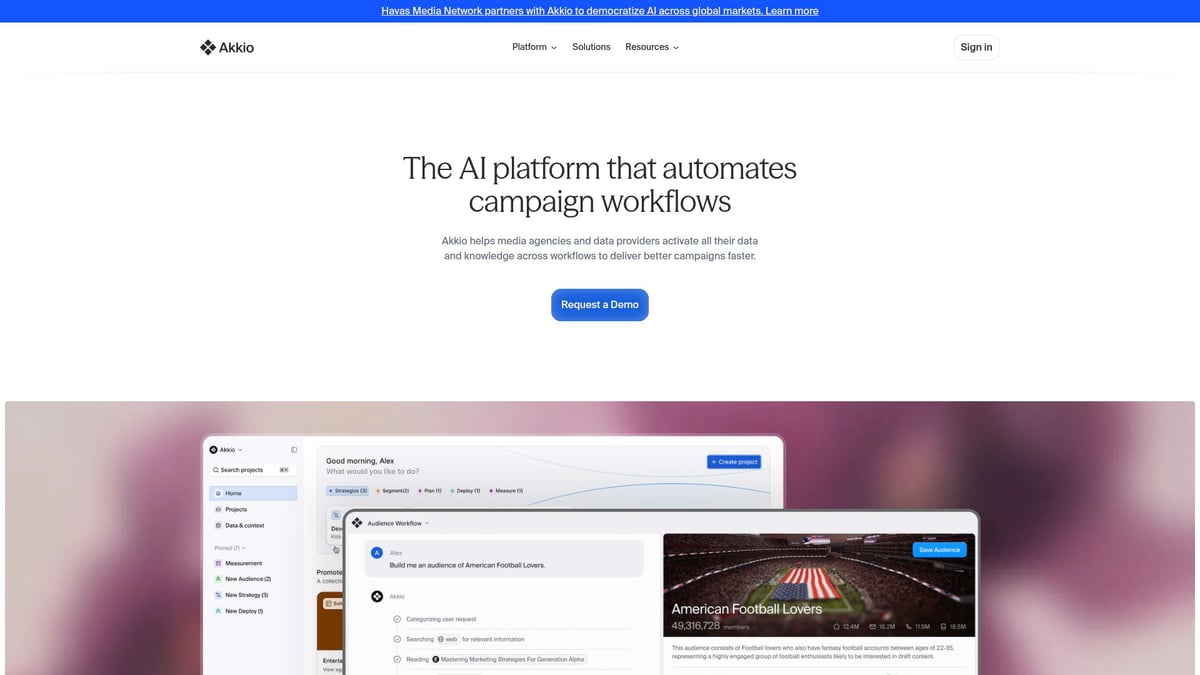
Akkio has redefined the no code machine learning platform experience for business users. Its visual workflow builder offers a cinematic flow, where each step reveals the logic behind data-driven decisions.
- Pricing: Starts at $50/month, free trial available.
- Core Features: Drag-and-drop interface, GPT-powered analytics, real-time predictions, integrations with Snowflake, HubSpot, and Salesforce.
- Benefits: Ultra-fast onboarding, no technical hurdles, and scalable for small teams.
Akkio’s UI is clean, with guided experiments and instant feedback. Marketers and analysts can prototype ML models for campaign predictions in minutes, bringing clarity to business forecasting.
Pros:
- Intuitive, visual-first design
- Quick deployment to web and cloud apps
- Affordable for startups
Cons:
- Limited customization for advanced modeling
- Best for sales and marketing, not deep ML research
As a no code machine learning platform, Akkio bridges the gap between analytics and action, making experimentation part of the creative process.
Google Cloud AutoML
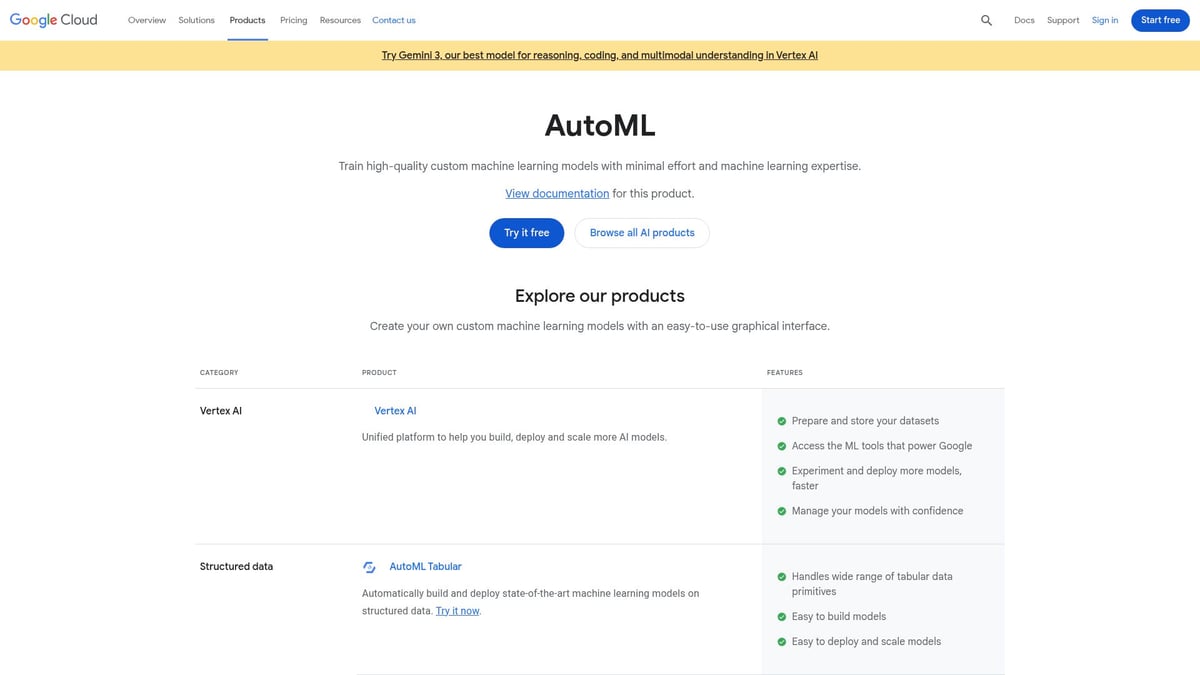
Google Cloud AutoML brings the power of enterprise-grade AI to a broader audience. As a no code machine learning platform, it supports vision, NLP, and tabular data.
- Pricing: Pay-as-you-go, free tier included.
- Core Features: End-to-end AutoML for multiple modalities, Google Cloud integration, and robust security.
- Benefits: Handles massive datasets, supports custom training, and offers thorough documentation.
The platform’s design prioritizes transparency, with explainable AI outputs and model monitoring. Teams in regulated industries use AutoML to build reliable models while maintaining compliance.
Pros:
- Highly scalable
- Supports advanced enterprise use cases
- Multi-modal data support
Cons:
- Steep learning curve for non-technical users
- Costs can scale with large projects
Google Cloud AutoML stands out as a no code machine learning platform that balances automation with user control and clarity.
Lobe
Lobe is the no code machine learning platform built for creative minds. Its free desktop app lets users train image classifiers with a visual, drag-and-drop interface.
- Pricing: Free for all users.
- Core Features: Visual training for image classification, export to industry formats, real-time feedback.
- Benefits: No setup, instant iteration, and beginner-friendly.
Lobe’s UI is cinematic, using card-based flows and visual indicators at every step. Educators and designers can create and deploy models without scripting, making ML accessible for prototyping and creative projects.
Pros:
- Extremely easy to use
- Fast iteration cycles
- No cost barrier
Cons:
- Limited to image-based models
- Does not support tabular or text data
Lobe proves that a no code machine learning platform can be both playful and powerful, unlocking new possibilities for visual learners.
DataRobot
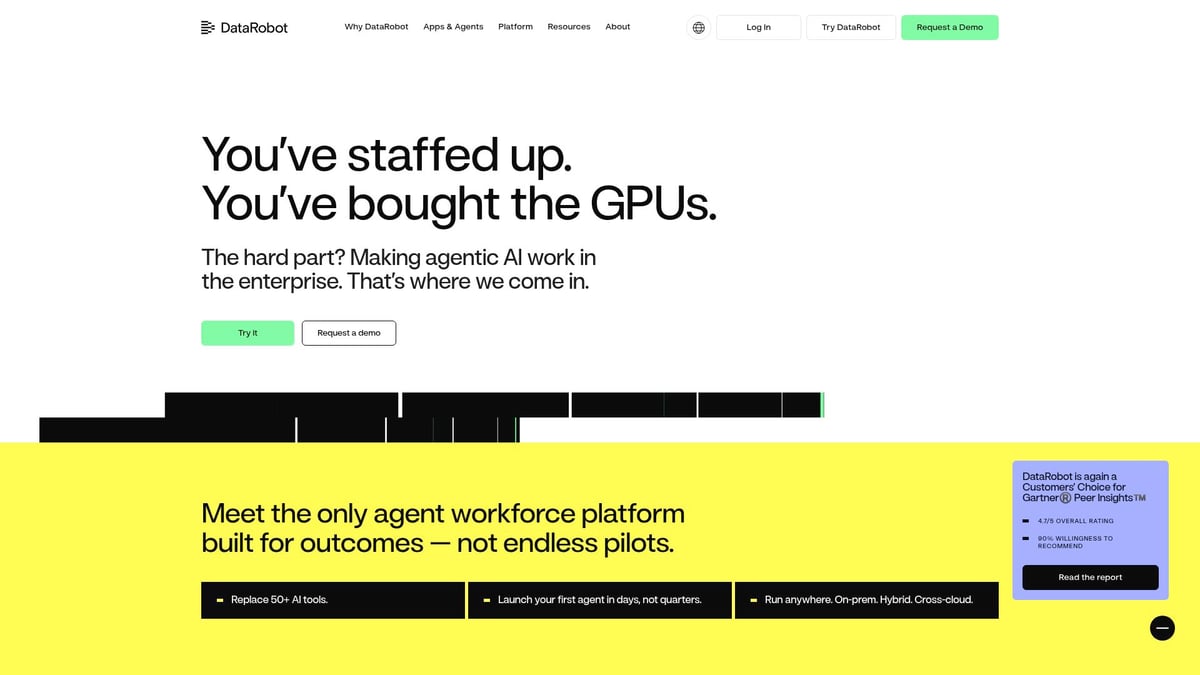
DataRobot is the enterprise no code machine learning platform for large organizations and regulated industries. It offers end-to-end ML automation with a focus on governance and explainability.
- Pricing: Custom enterprise plans.
- Core Features: AutoML, explainable AI, deployment monitoring, open-source algorithm support.
- Benefits: Enterprise-grade automation, robust governance, and model management.
DataRobot’s studio-inspired dashboard allows teams to collaborate on model design and deployment. Compliance features are built-in, supporting finance, healthcare, and other regulated sectors.
Pros:
- Scalable for large datasets
- Secure, with advanced controls
- Supports complex workflows
Cons:
- Expensive for small teams
- Some ML knowledge required for advanced features
As a no code machine learning platform, DataRobot brings structure and studio thinking to the enterprise AI workflow.
Levity
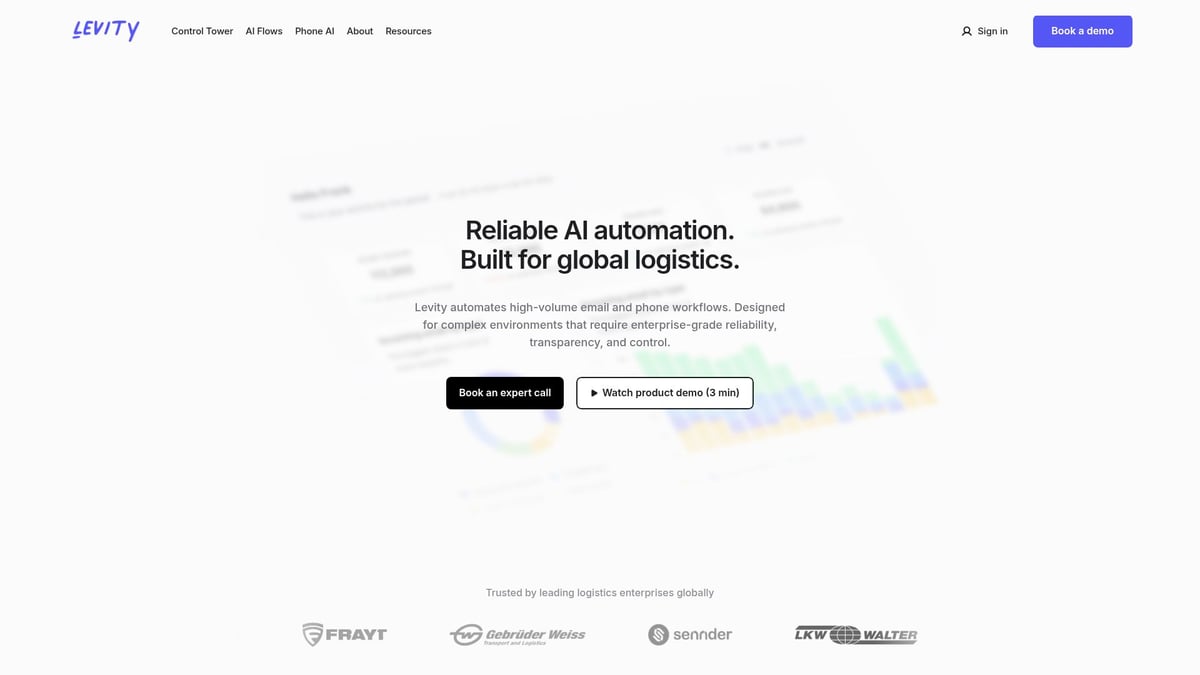
Levity is designed for workflow automation, targeting SMEs, HR, and customer service teams. As a no code machine learning platform, it lets users train custom models for text, image, and document classification.
- Pricing: Plans start at $200/month.
- Core Features: Custom model training, workflow automation, integrations with business apps.
- Benefits: Automates repetitive tasks, learns from user feedback, no coding required.
Levity’s interface emphasizes clarity, with guided flows and feedback loops. Real UI scenarios include automating document sorting and routing, freeing up teams for creative work.
Pros:
- Strong automation capabilities
- User-friendly for non-technical users
- Supports multiple data types
Cons:
- Higher entry price
- May not fit every industry
Levity’s no code machine learning platform approach is all about making automation a seamless part of daily business systems.
CreateML
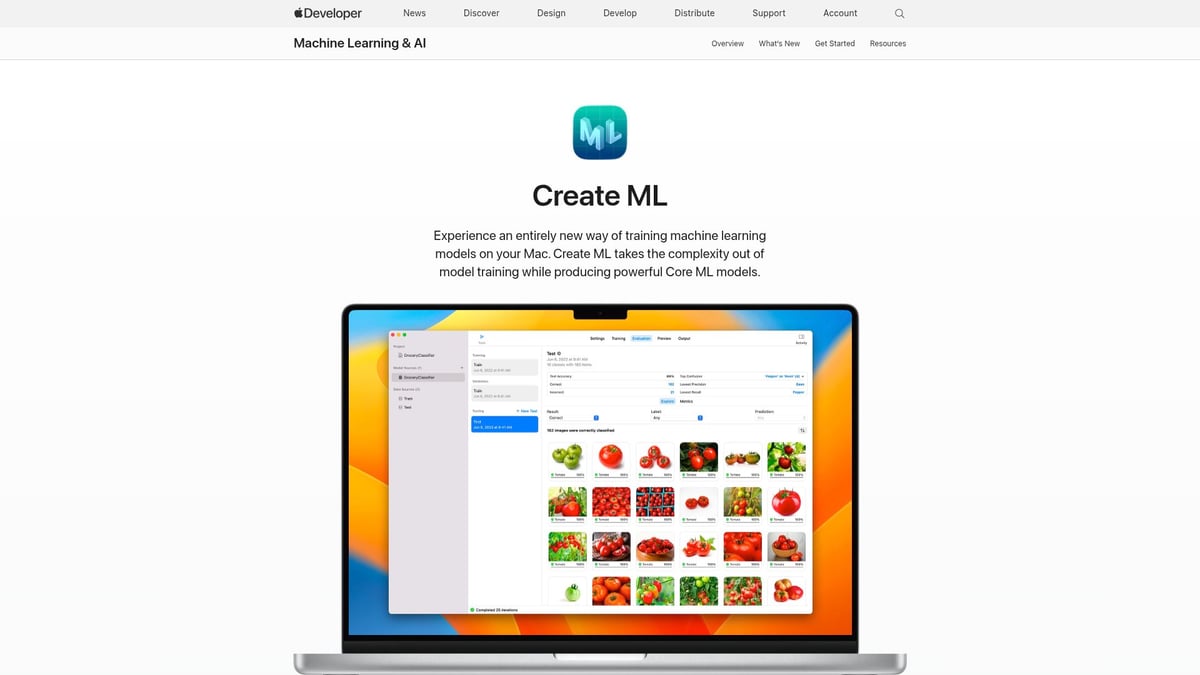
CreateML is Apple’s native no code machine learning platform for macOS users. It allows quick training of models for images, text, and tabular data, all processed locally for privacy.
- Pricing: Free with macOS.
- Core Features: Local model training, pre-built templates, privacy-first design.
- Benefits: Seamless integration with Apple ecosystem, no cloud dependency, quick model export.
The UI follows Apple’s design philosophy—simple, elegant, and direct. Educators and app developers can quickly prototype and deploy models, leveraging native macOS workflows.
Pros:
- Free and privacy-focused
- Easy for Apple developers
- Local data processing
Cons:
- macOS exclusive
- Some technical formatting required for datasets
CreateML is a no code machine learning platform that fits perfectly into Apple’s creative ecosystem, supporting rapid iteration.
Obviously AI
Obviously AI aims to bring predictive analytics to business analysts, startups, and consultants. As a no code machine learning platform, it specializes in tabular data and rapid model building.
- Pricing: Starts at $199/month, free trial offered.
- Core Features: Automated model building, natural language queries, spreadsheet/database integration.
- Benefits: Fast predictions, minimal setup, strong customer support.
The UI is process-driven, with step-by-step guidance and instant output. Teams can generate actionable insights for sales, marketing, or operations without a technical background.
Pros:
- Very fast predictions
- Intuitive interface
- Helpful support
Cons:
- Limited to tabular data
- Premium features require higher tiers
Obviously AI is a no code machine learning platform that brings clarity and speed to everyday business decisions.
How No Code ML Platforms Are Changing Product Design and Business Workflows
Breaking the myth that AI is only for engineers, the no code machine learning platform revolution is putting advanced tools into the hands of designers, marketers, and founders. Suddenly, the feedback loop from idea to live product shrinks. What once took months can now happen in hours.
Democratizing AI for Startups and Product Teams
The no code machine learning platform is shifting who can create with AI. Product teams now build, test, and deploy ML features without hiring data scientists. This accessibility means less waiting and more doing.
For example, a marketing team uses Akkio to predict campaign outcomes in real time. The process is hands-on and visual, not locked behind code. Rapid prototyping becomes the new normal for ambitious teams.
Impact on User Experience and Conversion
No code machine learning platform tools let designers and marketers personalize apps, build recommendation engines, and create dynamic content—without technical bottlenecks.
UI designers can prototype ML-driven features directly, removing handoffs and confusion. For instance, Lobe enables non-coders to build image classifiers for onboarding flows, making the user journey faster and more relevant. These platforms translate AI power into better conversion and engagement.
Accelerating Iteration and Experimentation
Experimentation is now a rhythm, not a risk. Teams quickly A/B test models in live products. With a no code machine learning platform, actionable insights surface instantly, not just data dumps.
AI-assisted workflows free up human talent for creative strategy. Studio thinking comes alive: clarity and rhythm matter more than raw automation. The result is a feedback loop that feeds product evolution.
AI’s Role: Augmenting, Not Replacing, Creative Process
A no code machine learning platform automates the repetitive—data cleaning, feature selection, and model tuning. But it does not replace human intuition. Designers still choose which insights matter, and how they shape the user experience.
AI becomes a creative partner, not a creative director. For example, Google Cloud AutoML powers backend logic, but custom UI design remains a human craft. The blend is deliberate, supporting higher-value work.
Real UI Scenarios and Systems Approach
Real-world impact comes from systems, not just screens. Levity, for example, automates document classification, sending results to a Framer-powered dashboard for instant visibility.
Transparency is key. Explainable AI features make results clear, not mysterious. To go deeper into how these workflows transform product teams, see this Guide to AI in product design.
In the studio approach, clarity wins. The no code machine learning platform is a tool for building adaptive, resilient products—always evolving, never static. Curious how to apply this systems-driven mindset? Explore the Embark Studio™ toolkit for cinematic AI-powered product design.
Key Trends and the Future of No Code Machine Learning Platforms
The future of no code machine learning platform innovation is not about replacing creativity, but about amplifying the clarity and rhythm of design workflows. Many expect a world where AI automates everything, but the real shift is more nuanced. Let’s break down the key trends shaping how these platforms will drive business and product evolution.
Increased Industry Specialization
No code machine learning platform solutions are moving away from generic, one-size-fits-all models. Instead, providers now tailor their offerings to meet the unique needs of industries like healthcare, finance, and eCommerce. This specialization is driven by compliance requirements, data privacy, and workflow differences. For example, DataRobot’s focus on regulated industries illustrates this trend. For a deep dive on how platforms are segmenting and scaling, see this no-code AI platforms market analysis.
Integration with Popular Design and Product Tools
A no code machine learning platform must fit seamlessly into the modern product stack. Direct integrations with Figma, Framer, and web builders are becoming the norm. API-first approaches allow product teams to automate ML-powered features directly in their existing tools, minimizing friction and speeding up iteration. The result is a more connected, studio-like workflow where design and AI support each other.
More Transparent and Explainable AI
Transparency is a core design principle. Teams want to understand, not just deploy, AI models. The best no code machine learning platform options now offer explainable AI dashboards, natural language summaries, and real-time performance feedback. This empowers designers and stakeholders to trust, interpret, and iterate on models with confidence, making results clear rather than overwhelming.
AI-Enhanced Collaboration and Iteration
Modern no code machine learning platform tools are built for collaboration. Features like real-time editing, version control, and shared projects enable cross-functional teams to work together on AI projects. Embedded tutorials and onboarding paths help non-technical users contribute meaningfully from day one. These platforms transform AI from a siloed function into a collaborative process.
Evolving Pricing and Accessibility
Pricing models are evolving fast. Freemium options lower the entry barrier, letting startups and small teams experiment without heavy investment. Enterprise tiers add advanced security, SLAs, and support. For small businesses, the adoption of a no code machine learning platform is becoming a necessity, not a luxury. Learn how automation is unlocking growth in this guide to small business automation strategies.
The Studio System: Frameworks for Continuous Improvement
No code machine learning platform adoption is shifting from isolated experiments to ongoing, systems-driven optimization. Teams are moving toward continuous improvement, where models are iterated and refined as user needs evolve. The emphasis is on clarity, feedback, and adaptable systems—think studio thinking, where success is measured by rhythm and growth, not just output.
The most forward-thinking teams are already building their own frameworks for clarity and rhythm in AI-powered design. Want to shape workflows that scale with your vision? Explore the Embark Studio™ approach to cinematic, systems-driven product design.
Ready to turn what you’ve learned about no code machine learning into real product momentum? If you’re exploring which platform fits your vision or want to design AI-driven experiences that convert and scale, let’s connect. At Embark Studio™ we partner side by side with founders and product teams to bring clarity and rhythm to your workflows—so you can move faster and build smarter. Curious how a systems-driven design approach could elevate your next project? Book a Free Discovery Call and let’s map out the right path for your AI-powered journey together.
Get articles like this in your inbox
Practical design and growth insights for founders. No spam, unsubscribe anytime.


