

Most founders approach brand and website as two separate projects. You hire a branding agency, wait three months for a logo and style guide, then hand it off to a web developer who builds something that looks nothing like the brand deck. The result? Disconnected experiences, wasted budget, and a website that doesn't convert. A proper brand and website package solves this by treating your market presence as a single system. When the same team builds both, every decision compounds. Your brand strategy informs your site structure. Your visual identity drives your interaction patterns. Your messaging architecture shapes your conversion funnel. No handoffs. No translation errors. No starting over.
Why Separating Brand and Website Work Fails
The handoff problem kills momentum. When you finish branding, you're excited. The logo works. The colors feel right. Then you brief a web team and watch them interpret everything differently. They don't understand why you chose those typefaces. They can't see how the brand strategy should inform the homepage hierarchy. Three months later, you're explaining why the website doesn't feel like your brand.
This happens because brand and web teams optimize for different outcomes. Brand agencies think in systems and guidelines. Web agencies think in pages and components. Neither thinks about the complete customer journey from first impression to conversion.
The Cost of Disconnected Projects
Splitting brand and website work creates predictable problems:
- Timeline bloat: Sequential projects take 6-9 months when they should take 8-12 weeks
- Budget waste: You pay twice for discovery, strategy, and revision cycles
- Quality gaps: Web teams without brand context make different design decisions
- Maintenance debt: Updating one system requires coordinating with multiple vendors
The financial impact is measurable. Companies that bundle brand and website packages typically spend 30-40% less than those who manage separate vendors. The time savings matter more. Every month without a proper website costs you leads, credibility, and competitive position.
What Actually Goes Into a Brand and Website Package
A real brand and website package isn't just buying two services together. It's a unified approach where brand thinking shapes web execution from day one.
Brand Foundation Components
Strategy comes first. Before anyone opens design software, you need clarity on positioning, audience, and competitive differentiation. This includes:
- Market and competitor analysis
- Audience research and persona development
- Positioning framework and messaging architecture
- Brand personality and tone definition
- Visual direction exploration
Identity system follows strategy. Your logo, typography, color palette, and visual language should express your positioning, not just look nice. This phase produces:
- Primary logo and variations
- Typography system with hierarchy rules
- Color palette with application guidelines
- Photography and illustration direction
- Pattern library and graphic elements
The difference between good and great brand work is system thinking. Strong website branding extends beyond a logo to create consistent experiences across every touchpoint.
Website Components That Matter
Your website isn't a digital brochure. It's your primary conversion tool. A proper brand and website package builds sites that work.
| Component | What It Does | Why It Matters |
|---|---|---|
| Information Architecture | Organizes content hierarchy and user flows | Determines if visitors find what they need |
| Conversion Design | Designs CTAs, forms, and conversion paths | Directly impacts lead generation |
| Content Strategy | Plans messaging, SEO, and content structure | Drives organic traffic and engagement |
| Interaction Design | Defines animations, transitions, states | Creates memorable brand experiences |
| Technical Build | Implements in modern platform (Framer, etc.) | Ensures performance and maintainability |
Most agencies skip information architecture and jump straight to design. That's backwards. Site structure determines whether your brand message lands. Getting the hierarchy right before designing pages saves weeks of revision.
How Integrated Packages Actually Get Built
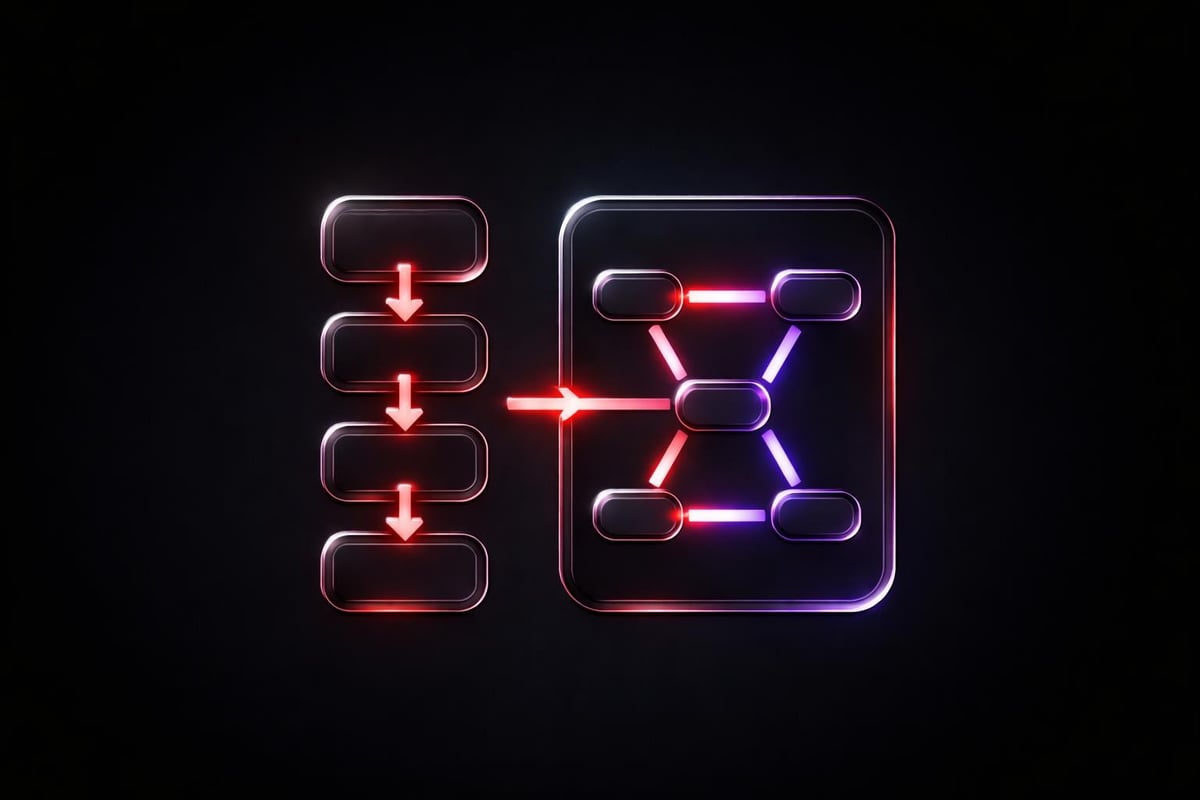
The process matters as much as the deliverables. Sequential brand-then-website projects follow a waterfall model: finish branding completely, then start the website. Integrated packages work differently.
Parallel Workstreams With Shared Milestones
Week 1-2 starts with combined discovery. You're not briefing a brand team and then briefing a web team. You're establishing shared context: business goals, audience insights, competitive landscape, and success metrics.
Brand strategy and site architecture develop together. While your team defines positioning and messaging, they're simultaneously mapping out your site structure. The messaging hierarchy informs the navigation. The brand personality shapes the content strategy. The positioning framework determines which pages you need.
This is where brand and web design packages create compounding value. Decisions reinforce each other instead of conflicting.
Week 3-5 brings visual and interaction design in parallel:
- Brand identity concepts with initial web page applications
- Homepage designs that demonstrate the identity system in action
- Key page templates that establish patterns for the full site
- Component libraries that work across brand and web contexts
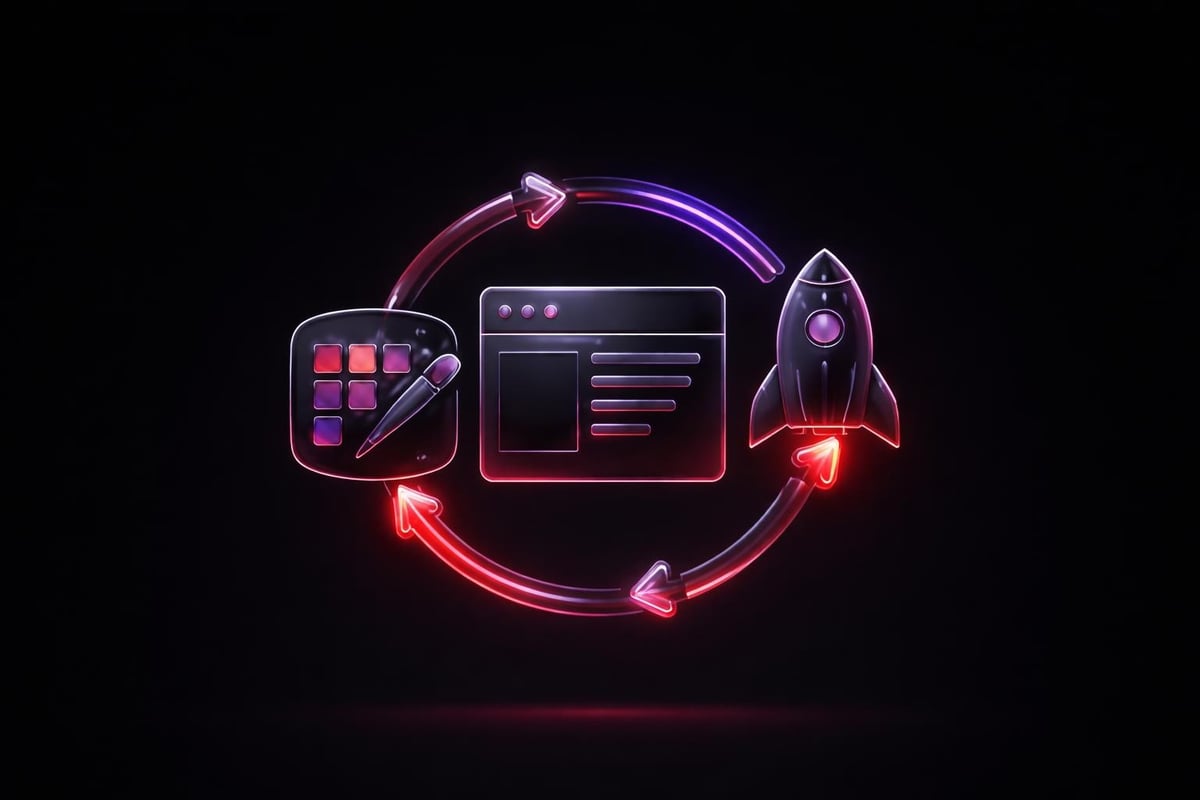
By week 6-8, you're refining and building simultaneously. The brand system gets documented while the website gets developed. Any adjustments to typography or color happen once, across both systems.
The Role of Modern Tools
Platform choice matters more than agencies admit. A brand and website package built on WordPress requires different team structures than one built on Framer or Webflow.
Modern no-code platforms collapse the design-development gap. When the same person who designs the interaction can build it, you eliminate the biggest source of quality loss. Framer particularly excels here because designers can create production-ready components that match the brand system exactly.
This doesn't mean no-code platforms are always right. Complex web applications need custom development. But for marketing websites, the speed and iteration advantages are significant. You can test brand variations in actual website contexts, not just static mockups.
What Business Outcomes Actually Change
The question isn't whether a brand and website package looks better than separate projects. The question is whether it performs better.
Time to Market Impact
Integrated packages typically launch 40-60% faster than sequential projects. This matters most for venture-backed companies with funding announcements, product launches, or competitive deadlines.
Speed compounds. Launching your brand and website eight weeks earlier means:
- Two months of additional lead generation
- Earlier SEO indexing and domain authority building
- Faster sales cycle starts for enterprise deals
- More time to iterate based on real user data
The companies that understand this treat their brand and website package as infrastructure, not decoration. Like conversion-focused website design, it's an investment that pays back through measurable business outcomes.
Cost Efficiency Beyond Budget
The direct cost savings (30-40% lower than separate projects) matter. The indirect savings matter more.
Consider what you're not paying for:
- Project management overhead: One team, one timeline, one set of meetings
- Translation work: No briefs explaining brand strategy to web developers
- Revision cycles: Fewer rounds when there's no interpretation gap
- Future updates: Single vendor for brand and web maintenance
One founder told us their previous approach (separate brand and web agencies) required a full-time employee just to coordinate vendors. The brand and website package eliminated that role.
Quality and Consistency Gains
Separate projects create unintentional quality problems. The web team doesn't know why certain brand decisions were made, so they make different choices. Colors shift slightly. Typography hierarchy changes. The careful brand thinking gets diluted.
Integrated packages maintain design intent. When the same designers who built your brand strategy are building your website, every decision references the same foundation. Your website layouts express your brand positioning, not just look visually consistent.
This shows up in details customers feel but can't articulate. Button styles that match your brand personality. Animation timing that reinforces your positioning as fast or thoughtful or bold. Micro-interactions that feel distinctly yours.
How to Evaluate Brand and Website Package Providers
Not all packages deliver equal value. Some are just bundled pricing for separate services. Others represent true integration. Here's how to tell the difference.
Team Structure Reveals Integration Level
Ask who designs the brand and who designs the website. If they're different people on different teams, you're buying bundled services, not an integrated package.
Look for shared ownership. The best providers assign the same senior designer to both brand and web. They might have specialists supporting them, but strategic continuity matters.
Red flags in team structure:
- Brand team "hands off" to web team
- Separate creative directors for brand vs. web
- Different agencies white-labeling to a reseller
- Offshore development teams disconnected from brand designers
Process Questions That Surface Truth
How providers answer these questions tells you everything:
"When do you start designing the website?" Wrong answer: after brand is complete. Right answer: in parallel with brand strategy, testing identity concepts in web contexts.
"How do brand changes affect the website timeline?" Wrong answer: they don't, web is separate. Right answer: they're the same system, updates happen simultaneously.
"Who owns the component library?" Wrong answer: brand has one, web has another. Right answer: single component system serves both brand guidelines and website.
Deliverable Integration Points
Review the actual deliverables list. Truly integrated brand and website packages include artifacts that span both:
| Deliverable | Why It Matters | Integration Signal |
|---|---|---|
| Design System Documentation | Single source of truth for brand and web | Same components, same specs, same tool |
| Content Strategy | Connects brand messaging to site structure | Messaging architecture maps to page hierarchy |
| Component Library | Reusable elements across contexts | Works in brand materials and website builds |
| Style Guide | Shows brand in action, not just abstract | Examples come from actual website pages |
Case studies from integrated projects demonstrate this clearly. The brand work and website work reference each other. They're not separate projects that happen to share a visual style.
The Product Design Studio Advantage
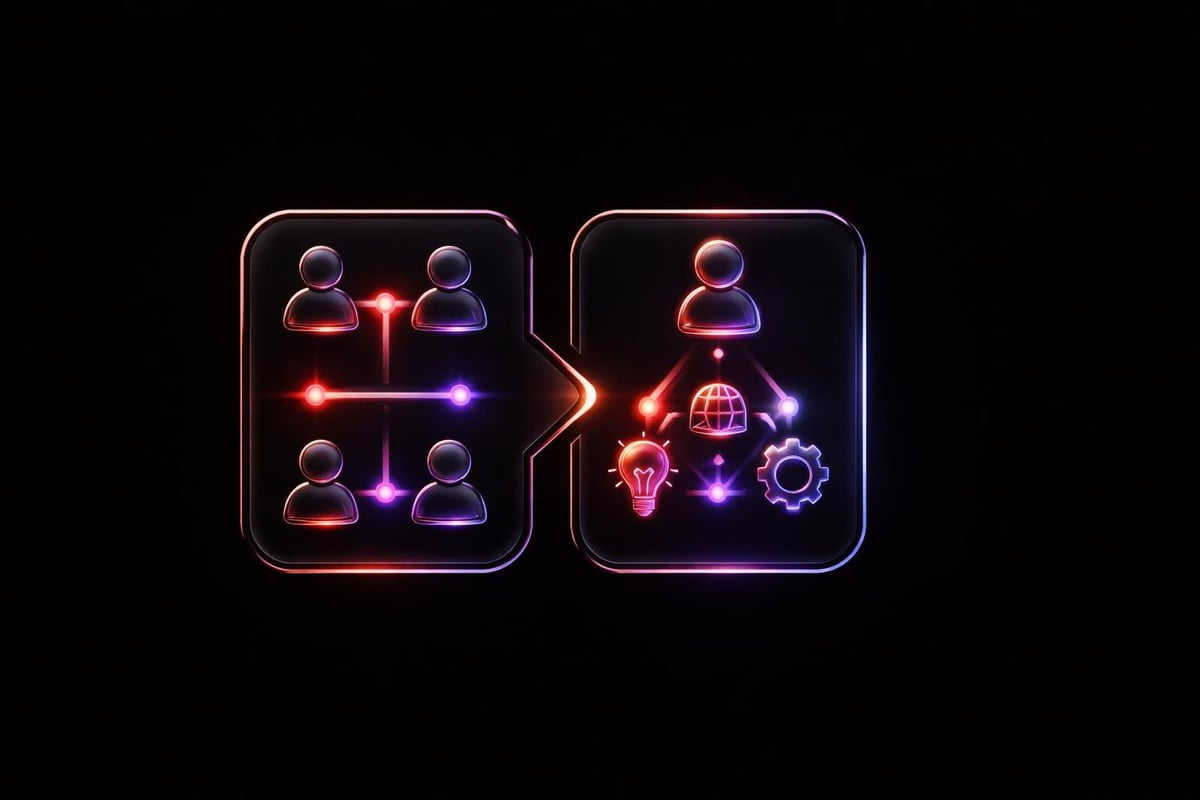
Traditional agencies separate brand and web because their teams are separated. Brand specialists live in Illustrator. Web designers live in Figma. Developers live in code. Each handoff loses fidelity.
Product design studios approach brand and website packages differently. We think in systems, not deliverables. A brand isn't a logo deck. A website isn't a page collection. They're interconnected parts of your product experience.
This matters most for startups and growing companies. Your brand needs to scale with your product. Your website needs to evolve with your go-to-market strategy. Static deliverables don't support that growth.
At Embark Studio, we build Brand Foundation and website as a unified system from day one. The brand strategy informs your site architecture. The visual identity gets tested in actual web contexts. The component library serves both your brand guidelines and your website build. No handoffs. No translations. No compromise.
When AI-Assisted Workflows Matter
The newest advantage in brand and website packages comes from AI-supported design workflows. This isn't about generating logos with Midjourney. It's about using AI to maintain consistency across brand and web at scale.
Modern product design studios use AI to:
- Generate content variations that match brand voice
- Adapt design components for different contexts automatically
- Test brand applications across hundreds of scenarios
- Maintain design system consistency as sites grow
This creates a new kind of value: adaptive consistency. Your brand stays coherent while your website personalizes. Your visual identity remains recognizable while your content dynamically adjusts for different audiences.
What Happens After Launch
Most agencies think the project ends at launch. That's when the real work starts. Your brand and website package should set you up for continuous improvement, not periodic redesigns.
The Maintenance Model Matters
Static brand and website packages create future problems. You get a logo, guidelines, and a website. Then what? When you need updates, you're managing separate vendors again. The brand agency doesn't know how to update your site. The web developer doesn't want to touch your brand files.
Build for evolution, not completion. The right brand and website package includes:
- Component library you can actually use
- Design system documentation in your tools
- Clear governance for brand and web updates
- Support model that covers both systems
This is why ongoing partnerships often make more sense than one-time projects. Your brand evolves as your product matures. Your website changes as you learn what converts. Having the same team handle both means updates reinforce each other instead of creating drift.
Performance Monitoring and Iteration
Your brand and website package should include measurement frameworks from day one. Not vanity metrics. Business metrics that tie design decisions to outcomes.
Track the metrics that matter:
- Conversion rates by traffic source (which brand messages drive action)
- Time on site and engagement depth (whether brand story resonates)
- Lead quality and sales velocity (if positioning attracts right customers)
- SEO performance and organic growth (whether technical implementation supports discovery)
- Brand recall and perception (through periodic user research)
The feedback loop between brand strategy and website performance creates compounding improvements. You learn which messages convert. You double down on what works. You test new brand applications in low-risk website contexts before rolling them out broadly.
Common Mistakes That Kill Value
Even good brand and website packages fail when companies make preventable mistakes during the process.
Unclear Decision Rights
Multiple stakeholders with veto power create design by committee. You'll get a mediocre brand and website that offends no one and excites no one.
Establish clear ownership before you start. One person approves brand direction. One person approves website structure. They can gather input, but decision authority must be clear. The best projects have a single executive sponsor who trusts their team and the design partner.
Scope Creep Through Additions
"While we're doing the brand, can we also design business cards, social templates, pitch decks, and packaging?" This destroys timelines and budgets.
A brand and website package should have a defined scope. Additional applications come after. Lock the core system first. Extend it later.
Ignoring Technical Requirements
Your beautiful brand and website package means nothing if the site doesn't load in three seconds. Performance, accessibility, and SEO aren't nice-to-haves. They're table stakes.
Make sure your package includes:
- Performance optimization and testing
- Accessibility compliance (WCAG 2.1 AA minimum)
- SEO foundation and implementation
- Analytics and conversion tracking setup
- Security and hosting recommendations
Technical excellence should be invisible to users and obvious to you.
Launching Without Content
The "lorem ipsum launch" is the worst mistake. You build a beautiful brand and website, then launch with placeholder content because you ran out of time.
Content is brand. Your messaging, your voice, your value proposition - these aren't afterthoughts. A proper brand and website package includes content strategy and production. Not every word for every page, but the strategic content that drives conversion: homepage, product/service pages, about page, key landing pages.
Launch with real content that demonstrates your brand in action. Add secondary pages later.
How to Structure the Engagement
The commercial structure of your brand and website package determines whether you get great work or adequate work.
Fixed Price vs. Retainer Models
Fixed-price packages work when scope is crystal clear. You know exactly what you need. The provider knows exactly how to deliver it. Most brand and website packages should start fixed-price.
Retainer models make sense for ongoing work. After launch, you'll need updates, optimizations, and expansions. Monthly retainers with defined capacity work better than per-project billing for this phase.
Some studios offer hybrid models: fixed price for the initial brand and website package, then optional retainer for ongoing partnership. This gives you predictability upfront and flexibility afterward.
Timeline Expectations
Aggressive timelines produce rushed work. Bloated timelines create momentum loss. For most growing companies, expect:
- 8-10 weeks for integrated brand and website package (strategy through launch)
- 12-14 weeks if including extensive content production
- 6-8 weeks for brand refresh plus website redesign (when core positioning is solid)
Rush projects (4-6 weeks) are possible but require perfect alignment and decisive stakeholders. They work for experienced teams with clear vision. They fail for committees.
Investment Ranges and Value
Brand and website packages span wide budget ranges based on complexity, team seniority, and business requirements.
For venture-backed startups and growing companies:
- Entry level: $25,000-$40,000 (small teams, template-based websites, foundational brand)
- Mid-market: $40,000-$75,000 (custom websites, comprehensive brand systems, strategic depth)
- Enterprise: $75,000-$150,000+ (complex sites, extensive brand applications, ongoing support)
The investment should map to business impact, not just deliverables. A brand and website package that accelerates your Series A fundraising by six months is worth 10x what it costs.
Rights and Ownership
Make sure your contract specifies what you own after the project:
- All source files (design files, brand assets, website code)
- Unlimited usage rights for your brand identity
- Platform access and credentials for your website
- Documentation and guidelines to maintain the system
Some agencies retain rights or charge licensing fees. That's a dealbreaker for brand and website packages. You're paying for ownership, not temporary access.
A brand and website package creates compounding value when the same team builds both as a unified system. You eliminate handoffs, reduce timeline by 40-60%, and ensure every design decision reinforces your business strategy. The best outcomes happen when you partner with a team that thinks in systems, not deliverables. Embark Studio™ helps investor-backed startups launch integrated brand and web experiences that scale with your business. We work alongside founding teams to design, build, and continuously improve conversion-focused experiences using Framer and modern workflows.
Get articles like this in your inbox
Practical design and growth insights for founders. No spam, unsubscribe anytime.


