

Most websites look good. Few actually convert. In 2026, the difference lies in clarity, rhythm, and design psychology. Many believe flashy effects or trendy visuals set apart websites that convert, but real success comes from strategic systems, trust, and seamless flow.
This guide unpacks seven websites that convert at the highest level. We’ll reveal the psychology and frameworks that drive their results. You’ll see how AI-personalized journeys, cinematic storytelling, and measurable systems fuel real growth.
If you want actionable insights to transform your own site, these design principles will show you what’s possible. Start thinking in systems, not just screens—discover how Embark Studio™ can help you build for clarity, speed, and scale.
What Makes a Website Convert in 2026?
Most websites look beautiful, but only a select few truly convert. What sets the best apart in 2026? It is not surface-level effects or trendy visuals. Instead, conversion is rooted in clarity, trust, and systems that work in harmony with cutting-edge personalization.
The Psychology of Trust and Clarity
Conversion starts with trust. In a digital world crowded with options, users instantly search for signals: secure icons, real testimonials, transparent pricing, and clear privacy cues. These trust signals are non-negotiable for websites that convert.
Micro-interactions and feedback loops—think button animations, loading indicators, or confirmation pop-ups—quietly reassure users that every action counts. When users feel seen and understood, confidence grows.
Clarity always wins over clutter. Too much information or visual noise increases cognitive load, causing hesitation. Smart visual hierarchy, such as bold headlines and focused CTAs, guides users toward decisive action. Rhythm in design—consistent spacing, predictable flows—nudges visitors from curiosity to conversion without friction.
The Rise of AI-Supported Personalization
AI is no longer a novelty, it is a conversion powerhouse. Today’s leading websites that convert use AI to tailor content, images, and layouts in real time. A returning customer might see products they browsed earlier, while a new visitor gets a guided tour.
Predictive UX is the secret: AI learns user intent and adapts flows to anticipate needs. Imagine a SaaS landing page that shifts its pitch based on user location, or an e-commerce checkout that automatically fills shipping details.
Data from top-performing sites shows that AI personalization can lift conversions by up to 40 percent. But AI is not a replacement for creativity. It accelerates workflows, offers insights, and enables rapid optimization, while human strategy sets the vision.
Systems Thinking: Designing for Scale and Consistency
Websites that convert in 2026 are never static. They are built on modular components—reusable building blocks that allow for rapid updates and split-testing. This systems-driven approach ensures every new feature or campaign fits seamlessly into the whole.
Scalable frameworks make it possible to iterate quickly, measure results, and refine experiences without breaking consistency. Studios now operate more like product teams, prioritizing process and clarity over one-off launches.
For a deeper dive into how systems thinking drives high-performing sites, check out the Essential guide to scalable design systems. Adopting a system-first mindset, like Embark Studio™, means you can evolve faster, stay clear, and keep your site built for growth.
7 Inspiring Websites That Convert in 2026
What separates the best websites that convert from the rest? It is never just about appearance. These seven sites prove that clarity, rhythm, and psychology are the foundation of conversion. Let’s unpack what each gets right, how systems thinking and AI accelerate results, and why their design choices drive measurable growth.
1. Embark Studio™
Embark Studio™ leads the pack of websites that convert by making systems the star. Their membership pricing starts at $4,000 per month, with a flat fee and a risk-free first week. Members get embedded partnership, high-velocity delivery, and continuous optimization. The studio’s Framer-based architecture supports modular components, so every update is rapid and scalable.
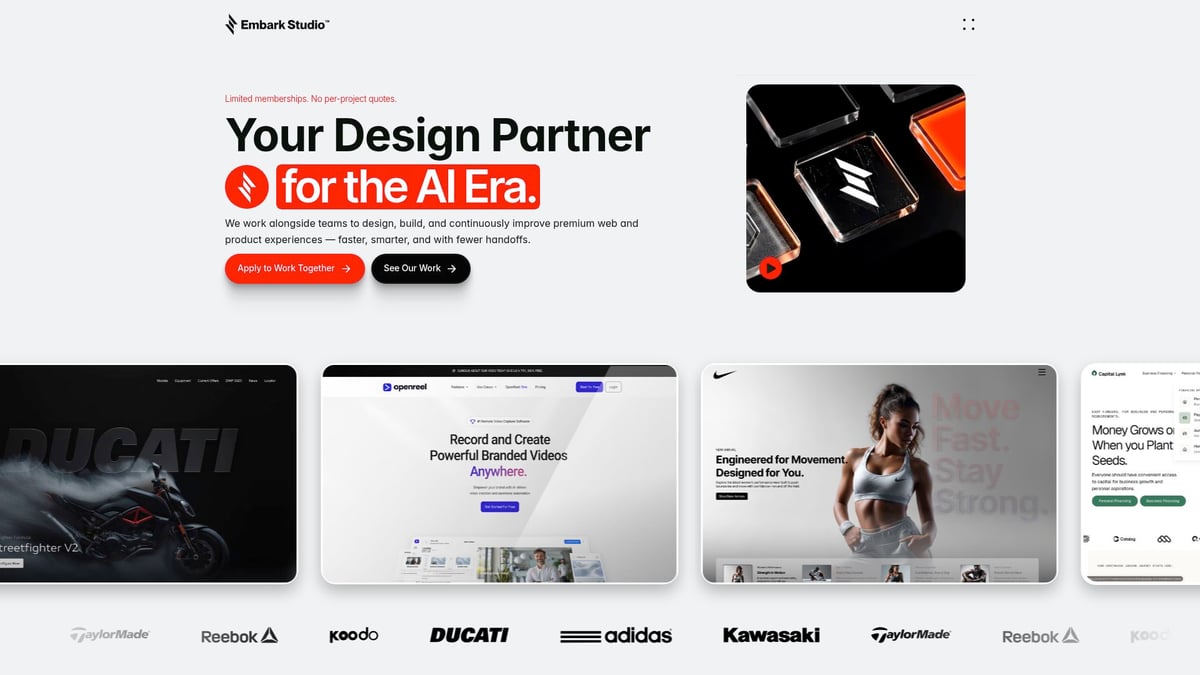
What sets Embark Studio™ apart is how they blend AI-driven creative with direct strategist access. This isn’t just about looks, but about outcome-focused websites that convert reliably for growth-focused startups and SaaS teams.
A real UI example is their work for Capital Lynk. The project’s cinematic storytelling, clarity, and visual rhythm build trust quickly. Every interaction, from transparent pricing to micro-interactions, is designed to guide users with confidence.
Curious how AI shapes conversion? Explore AI website design for conversion for a deeper look at their approach.
2. Webflow
Webflow empowers creators to launch websites that convert, starting with a free plan and paid options from $14 per month. The visual editor, CMS, and logic flows allow designers and marketers to control every aspect without code. Their design-to-live workflow means you can iterate fast and test conversions in real time.
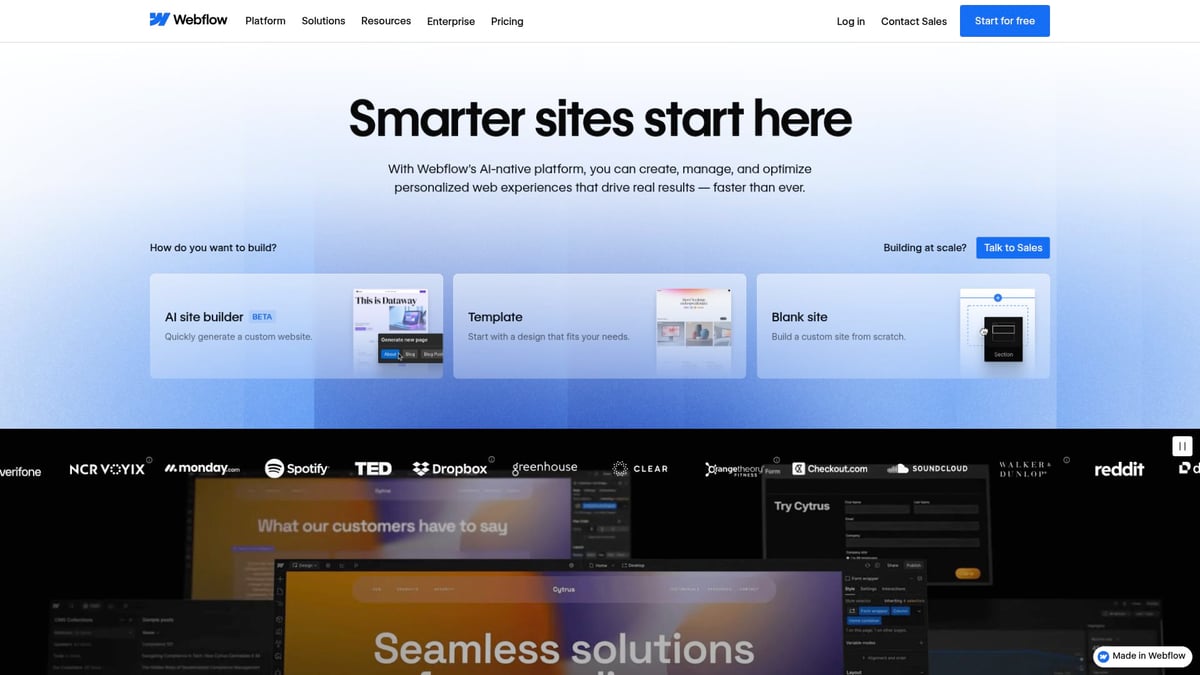
What makes Webflow a leader among websites that convert is its AI personalization modules. These adapt content and layouts based on user behavior, boosting engagement. The no-code platform supports rapid prototyping, letting teams experiment with CTAs and onboarding flows for optimal results.
A standout feature is the strong community and resource library. While advanced features have a learning curve, the ability to build, launch, and optimize in one system is unmatched.
Webflow’s AI-powered modules transform the user journey, moving beyond static screens to dynamic, conversion-focused experiences.
3. Stripe
Stripe is synonymous with seamless payments for websites that convert. Pricing is simple—transaction-based, with no monthly fee. Stripe’s core features include global payment support, robust fraud protection, and developer-friendly APIs.
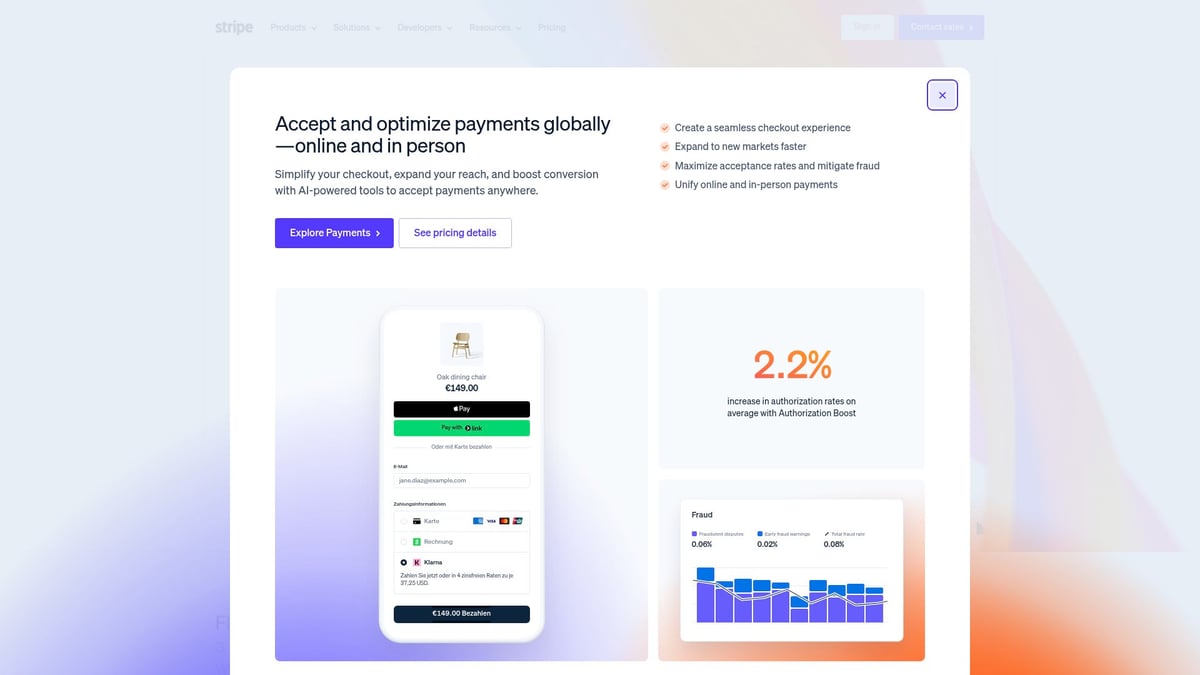
The real magic lies in their checkout UX. Stripe’s clear visual hierarchy, real-time validation, and transparent fee structure instantly build trust. For SaaS, e-commerce, and marketplaces, these trust signals reduce cart abandonment and accelerate conversion.
Stripe’s documentation and support empower teams to quickly integrate payment flows. The result is frictionless conversion that instills confidence at every step.
The only limitation is that Stripe isn’t available in every country, but for most global businesses, it sets the standard for websites that convert in 2026.
4. Notion
Notion exemplifies how modular design and onboarding can create websites that convert. With a free plan and paid tiers starting at $8 per month, Notion offers a unified workspace for teams, startups, and creators.
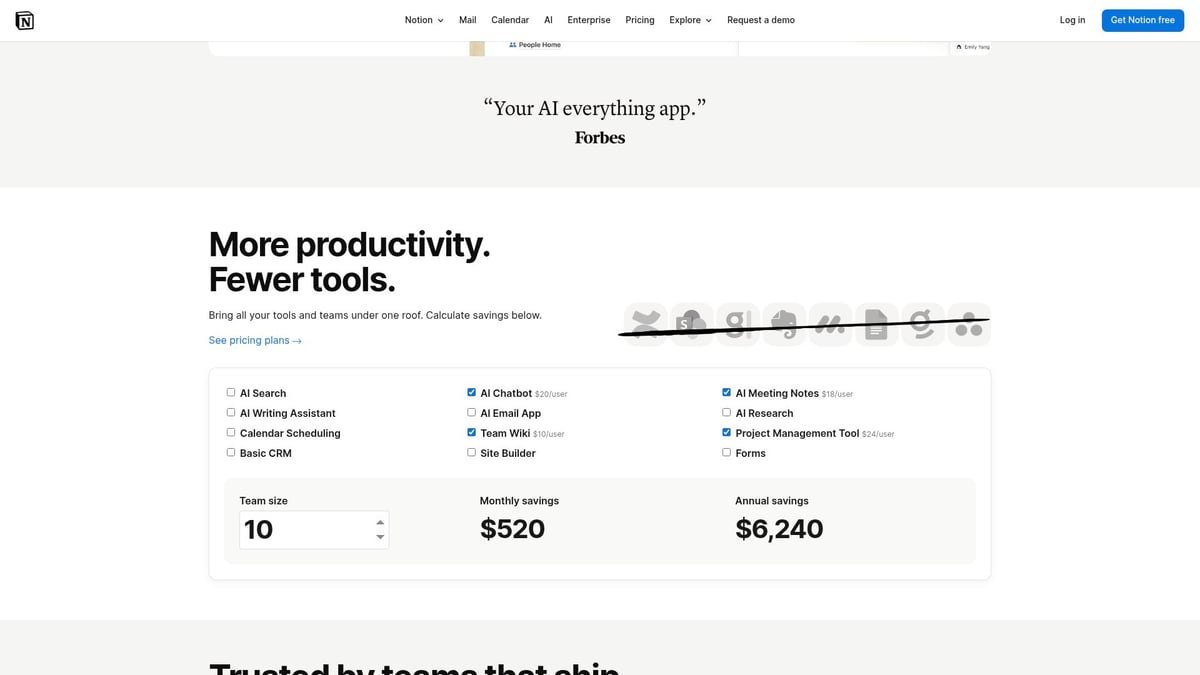
Their cinematic landing page rhythm draws users in with clarity and action-focused messaging. Notion’s onboarding is intuitive, using viral invite flows and template recommendations to move users from free to paid.
The platform’s AI-powered search and collaborative docs foster engagement and retention. While the flexible interface can feel overwhelming at first, the guided experience keeps users on track.
Notion’s strength is personalization—helping new users activate quickly and see value, which is key for websites that convert and scale.
5. Monday.com
Monday.com stands out for building websites that convert complex workflows into simple, visual experiences. Free trials and paid plans from $10 per user per month make it accessible for product teams and agencies.
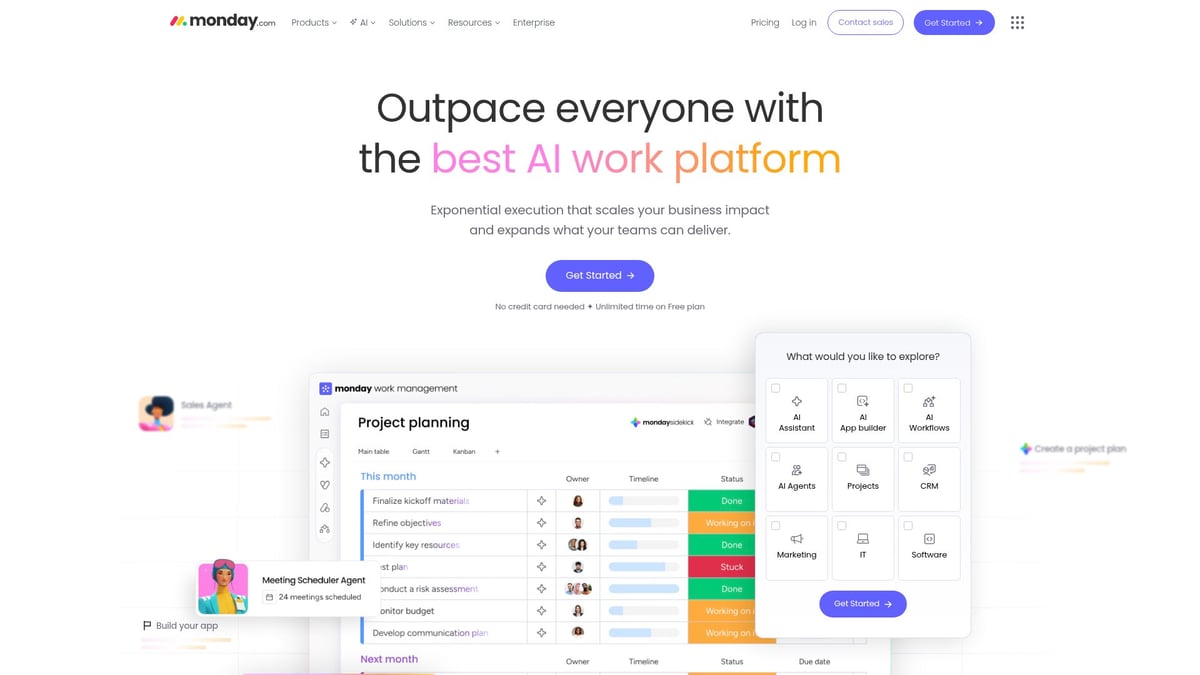
Its visual project management, automation, and integrations guide users step by step. AI workflow suggestions and persuasive CTAs reduce cognitive load and encourage action.
The real UI power comes from demo flows and onboarding. Monday.com’s process nudges users through setup, minimizing drop-off and maximizing activation. While costs scale with team size, the platform’s flexibility and robust support make it a top choice for scalable websites that convert.
6. Duolingo
Duolingo redefines engagement for websites that convert, using gamification and AI to make learning addictive. The free plan (with ads) and Duolingo Plus from $6.99 per month attract a wide audience.
Micro-interactions, streak reminders, and progress bars create habit loops that drive daily use. The adaptive AI tailors lessons and feedback, reducing friction and keeping users motivated.
What makes Duolingo a model among websites that convert is its effortless upsell to premium. The playful UI, clear progress, and bite-sized lessons combine psychology and clarity for sticky, high-converting experiences.
The only downside is limited advanced content, but for most learners, Duolingo’s gamified approach is unmatched.
7. Canva
Canva’s drag-and-drop platform is a masterclass in onboarding for websites that convert. With a generous free plan and Pro features from $12.99 per month, Canva serves marketers, creators, and SMBs at scale.
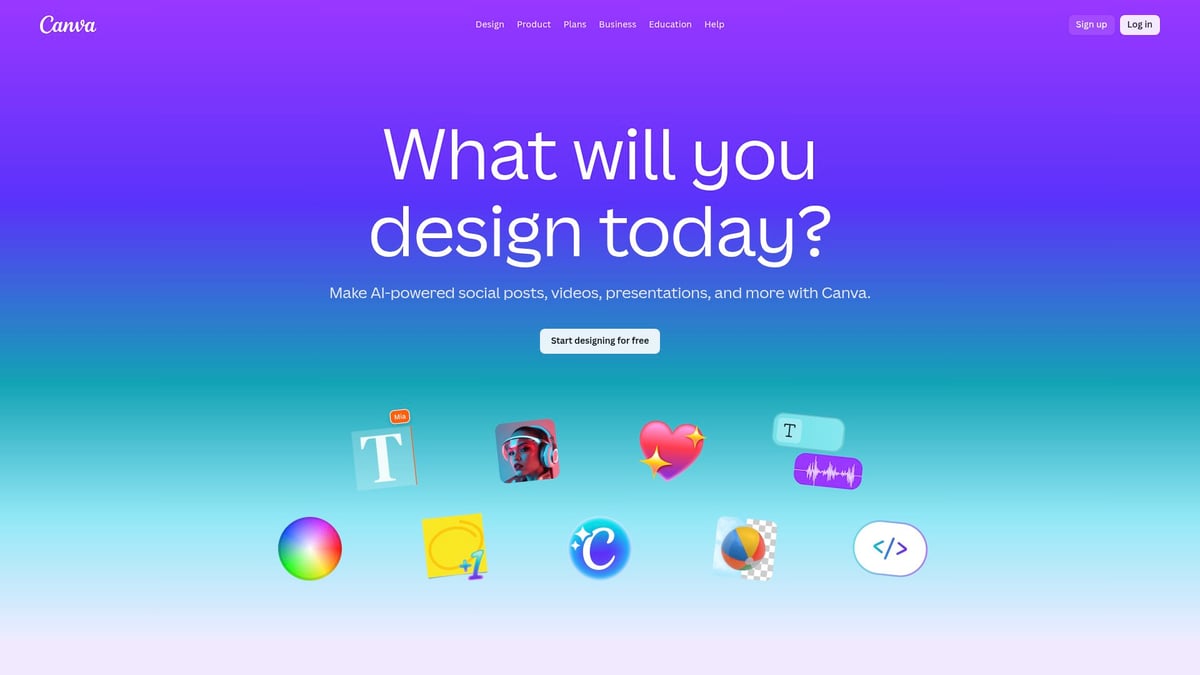
AI-powered image generation, adaptive templates, and team collaboration make it easy to get started and grow. The real-time UI feedback and template recommendations personalize the journey, boosting activation and upgrades.
While some advanced features are paywalled, Canva’s instant value and scalable systems make it a go-to for websites that convert quickly and consistently.
The focus on modular design, clarity, and frictionless flow is the secret behind Canva’s conversion success.
Applying 2026 Conversion Principles to Your Own Website
Every site wants to be one of those websites that convert, but few know where to start. Here's a clear, actionable process rooted in real psychology and systems thinking. Let’s break it down, step by step.
Step 1: Audit for Clarity and Trust
Start by mapping your site’s hierarchy, messaging, and trust signals. Are calls to action clear? Is your value proposition front and center? Websites that convert build trust with transparency—think visible social proof, security badges, and upfront pricing. Remove all clutter that distracts from key actions. For deeper insight into how color psychology shapes trust, see The psychology of color in web design. Every detail should reinforce confidence and guide users toward action.
Step 2: Systemize Your Design for Scale
Static screens slow you down. Move toward modular, component-based design so you can iterate quickly and keep every part of your site consistent. Websites that convert use a design system, not just templates. Track analytics to spot friction points, then update components across the site—no more patchwork fixes. This scalable approach makes growth and optimization part of your daily workflow, not a one-off project. Think like a studio, not a solo artist.
Step 3: Leverage AI for Personalization and Flow
Integrate AI-driven recommendations to adapt your content and layout for each user. Predictive UX anticipates needs, reducing friction and boosting engagement. Leading websites that convert use AI to accelerate, not replace, creative systems. For example, AI personalization boosts conversion rates by up to 15% in real-world scenarios. Balance automation with brand storytelling to keep your experience both relevant and memorable.
Step 4: Design for Rhythm and Engagement
Cinematic flow matters. Structure your site so users enter with clarity, move through content with momentum, and reach decisive calls to action. Micro-interactions—like subtle hover states or completion feedback—keep users engaged. Test onboarding and demo flows to minimize drop-off. The best websites that convert make every step feel intentional, rhythmic, and rewarding, much like a well-edited film sequence.
Studio Thinking: Systems Over Screens, Clarity Over Noise
Adopt a process-driven mindset. Continuous improvement should be your north star, not just launch day wins. Focus on outcomes—conversion, retention, and growth. Explore Stunning Framer sites to inspire for real-world examples of system-driven clarity. The Embark Studio™ framework treats design as a living system, built for speed and measurable results. Ready to unlock the next level for your own site?
It’s clear that the best websites in 2026 do more than just look sharp—they build trust, guide users with precision, and adapt through smart systems and AI. If you’re ready to take your startup’s digital experience to the next level and put these principles into action, let’s connect. We can walk through your goals, explore what’s possible with high-performance design, and map out a path to measurable growth together. Curious to see how a system-driven approach could transform your own site’s conversion? Book a Free Discovery Call and let’s start building something inspiring.
Get articles like this in your inbox
Practical design and growth insights for founders. No spam, unsubscribe anytime.


