

Most growing companies face the same design problem: too much work for contractors, too little for a full-time hire. You hire an agency for a website. Six months later, you need landing pages. Then brand updates. Then product work. Each project requires new contracts, estimates, and onboarding. The friction compounds. An ongoing design subscription solves this by giving you predictable access to design capacity when you need it, structured as a continuous partnership rather than disconnected projects.
Why Fixed Projects Create Compounding Friction
Traditional agency relationships operate on project logic. You define a scope, get a quote, sign a contract, and wait for delivery. This works when you have discrete, well-defined needs that won't change.
Most startups don't work that way. Your roadmap shifts based on user feedback, investor priorities, and market signals. Design and innovation cycles move faster than traditional project timelines allow.
The hidden costs of project-based design:
- Onboarding overhead every time you start something new
- Estimating friction that delays work before it starts
- Scope creep negotiations that slow momentum
- Context loss between disconnected engagements
- No relationship continuity as your business evolves
You end up managing the relationship instead of focusing on outcomes. An ongoing design subscription eliminates these friction points by establishing a continuous working relationship with fixed economics.
How Ongoing Design Subscriptions Actually Work
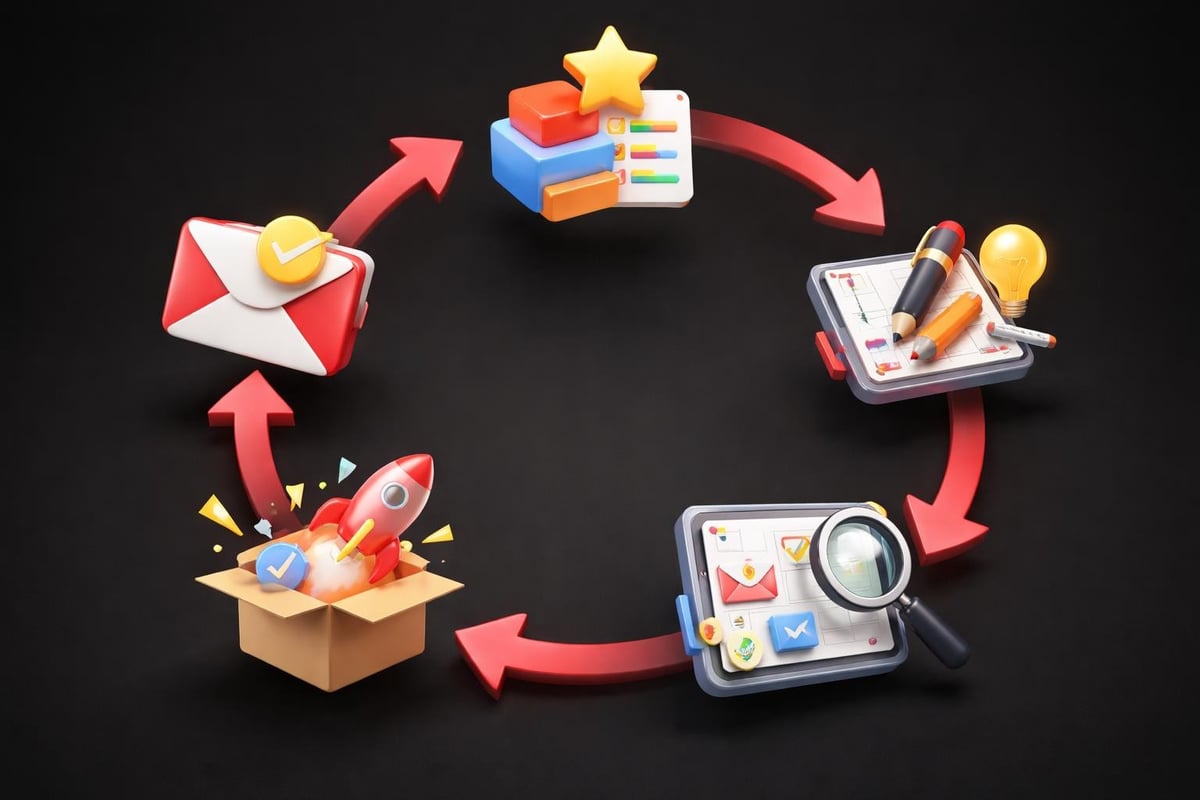
The model is straightforward. You pay a flat monthly fee for access to design capacity. Submit requests through a shared system. Work gets prioritized, completed, and delivered in a continuous cycle. No per-project contracts. No hourly billing. No estimate negotiations.
Request Management and Prioritization
Most subscription models use a queue system. You submit requests as they come up. Your design partner works through them based on agreed priorities.
This queue structure matters more than it seems. It forces you to think about what actually moves your business forward. When you can request anything, you learn to focus on what drives results.
Typical request flow:
- Submit design need with context and goals
- Brief async clarification if needed
- Design partner adds to active queue
- Work begins based on priority
- First version delivered for feedback
- Revisions handled in same cycle
- Final assets delivered, next request activated
The best subscription partners maintain visibility into what's active, what's queued, and what's been delivered. You always know where your work stands.
Delivery Speed and Turnaround Expectations
Speed varies based on request complexity and your subscription tier. Simple landing pages might take 2-3 days. Full product flows could take two weeks. The difference from project work isn't necessarily raw speed - it's consistency and predictability.
You're not waiting for availability or negotiating timelines. Work starts immediately based on queue position. Subscription models have proven effective at providing consistent service delivery compared to traditional purchasing approaches.
Most subscriptions include unlimited revisions within reason. You're paying for outcomes, not outputs. If the first version misses the mark, refinements continue until it works.
What You Actually Get With a Design Subscription
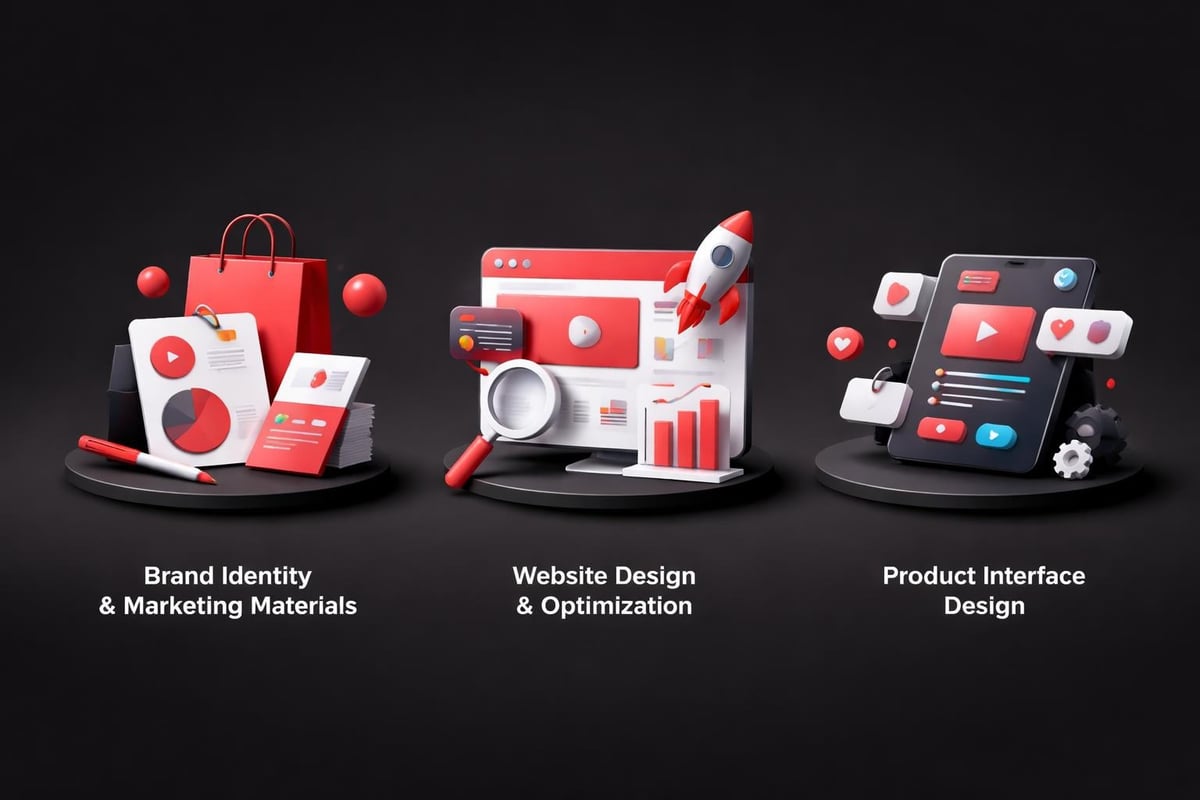
Scope matters more than you'd think. Not all ongoing design subscriptions cover the same work types. Some focus exclusively on graphics. Others include web development. The best ones provide integrated design and build capacity.
Brand and Visual Design
This covers everything that establishes and maintains visual identity. Logo systems. Brand guidelines. Marketing collateral. Pitch decks. Social templates. Email designs.
Common brand deliverables:
- Logo variations and lockups
- Typography and color systems
- Icon sets and illustration styles
- Presentation templates
- Marketing one-pagers
- Social media graphics
- Print collateral when needed
Brand work tends to come in waves. Heavy during launches or rebrands. Lighter during execution phases. A subscription accommodates this variability better than hiring.
Web Design and Development
This is where subscriptions show real value for growth-stage companies. Your website needs constant evolution. New landing pages for campaigns. Updated messaging as positioning shifts. Fresh case studies. Performance optimization.
| Traditional Project Approach | Ongoing Subscription Model |
|---|---|
| Quote and contract for each page | Submit requests as needs arise |
| Wait for designer availability | Work begins immediately |
| Limited revisions in scope | Unlimited refinements |
| Handoff at launch, then silence | Continuous optimization |
| Separate contracts for updates | All updates included |
The Embark Partnership model demonstrates this approach - providing continuous design and development capacity for companies that need consistent creative support without hiring overhead.
Product Interface Design
This includes app screens, dashboard interfaces, user flows, and interaction design. More complex than marketing work because it requires understanding user behavior and product logic.
Not every design subscription handles product work well. It requires different skills than brand design. Look for partners who understand conversion optimization, user research principles, and how design decisions impact product metrics.
Economics: When Subscriptions Beat Hiring and Agencies
The financial logic becomes clear when you map it against alternatives. A senior product designer costs $140,000-$180,000 annually in major markets. Add benefits, equipment, and management overhead - you're at $200,000+ for one person with one skill set.
Most design subscriptions run $5,000-$15,000 monthly depending on scope and speed. That's $60,000-$180,000 annually for access to multiple specialists.
The Real Cost Comparison
Full-time senior designer:
- $200,000+ total annual cost
- 3-4 weeks to hire
- Single skill set
- PTO and sick time reduce capacity
- Severance risk if it doesn't work
Ongoing design subscription:
- $60,000-$180,000 annually
- Start within days
- Multiple specialists (brand, web, product)
- No downtime or benefits overhead
- Cancel or pause anytime
The subscription model makes particular sense when you need diverse skills but don't have enough work in each category to justify multiple hires.
Hidden Value in Speed and Context
Financial modeling only tells part of the story. The relationship economics matter as much as the price.
A subscription partner accumulates context about your business, users, and goals. They understand your visual language. They know what's worked and what hasn't. This institutional knowledge compounds over time.
New agencies start from zero every project. They need onboarding, background, and context. This front-loaded friction delays work and dilutes quality. Design subscription services eliminate this repeated onboarding tax.
How to Evaluate and Choose a Design Subscription Partner
Not all subscriptions deliver equal value. The model works when execution and partnership quality match your needs. Poor execution at a good price still wastes money.
Core Evaluation Criteria
Portfolio and specialization: Does their previous work demonstrate competence in what you need? Generic design subscriptions that promise "everything" often deliver mediocre results across the board. Specialists who focus on your industry or design type tend to outperform generalists.
Process transparency: How do they manage requests? What tools do they use? How do revisions work? Vague answers signal operational immaturity.
Communication structure: Will you work with one designer or a rotating team? How do they handle feedback? What's the typical response time for questions? Asynchronous communication works until it doesn't. You need real responsiveness.
Skill breadth: Can they handle both design and development? Do they understand the technical constraints of your platform? The best subscription partners bring integrated capabilities that reduce handoff friction.
Business alignment: Do they understand metrics that matter to your business? Can they connect design decisions to conversion impact? Aesthetic skill without business judgment creates pretty work that doesn't perform.
Questions That Reveal Quality
Ask about a time they had to push back on a client request. Good partners say no when asked for work that won't drive results.
Ask how they handle competing priorities when multiple requests pile up. This reveals whether they think strategically about your business or just process tickets.
Ask for examples of work that evolved based on performance data. This shows whether they optimize for outcomes or just ship deliverables.
Making the Subscription Model Work for Your Team
Buying a subscription doesn't automatically unlock value. You need internal processes that match the external partnership structure.
Request Discipline and Prioritization
The unlimited nature of most subscriptions creates a paradox. When you can request anything, everything feels urgent. Without clear prioritization, your design partner can't focus on what actually matters.
Effective request practices:
- Link every request to a business goal or metric
- Include success criteria in the brief
- Provide context about why this matters now
- Share relevant data or user feedback
- Identify clear stakeholders for review
The best companies treat their design subscription like an internal team. They maintain a backlog. They prioritize based on impact. They provide context that helps designers make better decisions.
Feedback Loops and Iteration
Design quality improves when feedback is specific and actionable. "Make it pop" doesn't help. "Increase visual hierarchy between the headline and subhead" does.
Most subscription partners work asynchronously. This means written feedback matters more than verbal conversations. Record quick Loom videos when explaining complex changes. Use annotation tools to mark up designs. Be specific about what's working and what isn't.
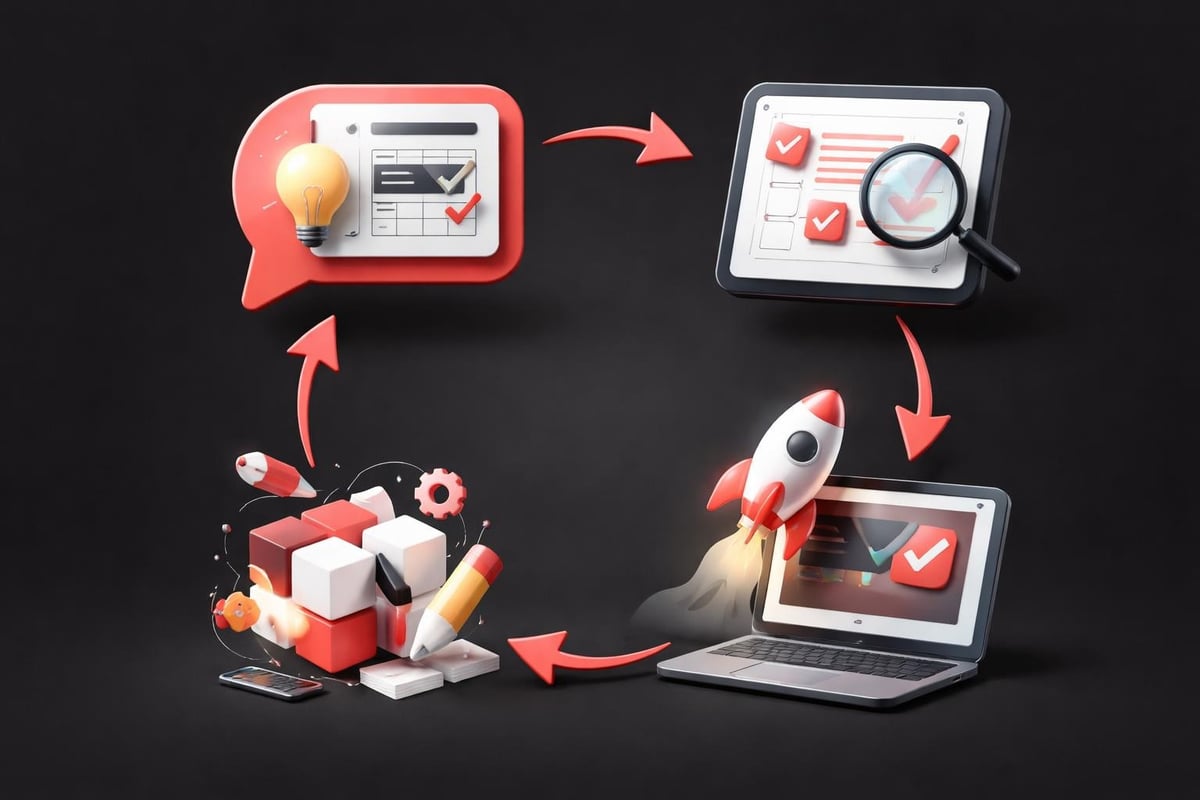
The unlimited revision promise only delivers value if you give clear direction. Vague feedback creates endless cycles without improvement.
Common Pitfalls and How to Avoid Them
Every model has failure modes. Understanding where subscriptions break down helps you avoid preventable problems.
Treating It Like a Ticket System
The biggest mistake is viewing your design subscription as a request queue without strategy. You submit random tasks without connecting them to goals. Your designer becomes an execution layer rather than a thinking partner.
This creates technically competent work that doesn't move your business forward. Pretty landing pages that don't convert. Brand updates that don't strengthen positioning.
Fix this by involving your design partner in strategic discussions. Share your roadmap. Explain what you're trying to achieve. Let them propose solutions rather than just executing requests.
Scope Creep Through Addition
"Unlimited" doesn't mean infinite parallel work streams. Most subscriptions handle 1-2 active projects at a time. Requesting ten things simultaneously doesn't make them all happen faster.
Some companies try to game the system by splitting large projects into many small requests. This creates coordination overhead that slows everything down.
The model works best with clear priorities and sequential work. Finish the landing page before starting the pitch deck. Complete the brand update before requesting social templates.
Misaligned Expectations on Complexity
A design subscription can't replace a full product team. If you need extensive UX research, user testing, and complex product strategy, you need more than a subscription designer.
Understanding what subscriptions can and can't deliver prevents disappointment. They excel at execution and optimization. They struggle with net-new product strategy without additional support.
Integration With Internal Teams and Existing Tools
Your design subscription should feel like an extension of your team, not an external vendor. This requires intentional integration with how you already work.
Tool Stack Compatibility
Most modern subscriptions work inside your existing tools. Figma for design files. Notion or Linear for request management. Slack for quick communication. Loom for async feedback.
Standard integration points:
| Your Tool | Subscription Use |
|---|---|
| Figma | Design file collaboration and handoff |
| Notion/Linear | Request tracking and documentation |
| Slack | Quick questions and updates |
| Google Drive | Asset storage and brand resources |
| Framer | Website publishing and updates |
The best partners match your workflows rather than forcing you into theirs. If your team lives in Linear, they should work there too.
Stakeholder Communication
Design work touches multiple teams. Marketing wants landing pages. Product needs interface updates. Sales wants better decks. Your subscription partner should communicate directly with these stakeholders when appropriate.
Establish clear ownership and communication channels. Does every request route through one person? Can team members submit directly? How do competing priorities get resolved?
Define this upfront to prevent confusion and bottlenecks.
When Subscriptions Make Sense vs. When They Don't
The model isn't universal. Specific business situations make ongoing design subscriptions more or less valuable.
Ideal Subscription Candidates
Growing startups with consistent design needs: You need landing pages monthly. Brand assets quarterly. Product updates continuously. Not enough for a full team. Too much for ad-hoc contractors.
Companies between funding rounds: You're scaling toward Series A or B. Design quality impacts how investors perceive you. You can't afford senior hires yet. A subscription gives you professional output at predictable cost.
Teams replacing expensive agency relationships: You're spending $15,000-$30,000 monthly on agency work. Project overhead eats 30% of budget. A subscription delivers similar output at lower cost with better continuity.
Businesses with variable design demand: Some months need heavy work. Others are quiet. Fixed hiring doesn't match this variability. A subscription adapts to your actual needs.
When to Look Elsewhere
One-time major projects with fixed deadlines: A complete rebrand with a hard launch date needs dedicated focus. Subscription queue structures don't match this urgency pattern.
Highly specialized niche work: If you need medical device UX or fintech compliance design, you need specialists with domain expertise. General subscriptions can't provide this depth.
Minimal ongoing needs: If you need design work quarterly, per-project hiring makes more sense. Subscriptions require consistent utilization to justify the cost.
Complex product work requiring embedded teams: Building a new SaaS product from scratch needs full-time product, design, and engineering working in tight collaboration. A subscription designer can support this but can't lead it.
Measuring Performance and ROI
Like any business investment, your ongoing design subscription should deliver measurable value. Track the right metrics to understand what you're getting.
Quantitative Performance Indicators
Request completion time: How long from submission to delivery? This should decrease over time as your partner learns your business and preferences.
Revision cycles per request: Fewer revisions per request signals better initial quality and clearer communication. Track this monthly.
Asset utilization rate: What percentage of delivered work actually gets used? If half your requests end up unused, you're not prioritizing effectively.
Business Impact Metrics
Design work should influence business outcomes. Connect design deliverables to conversion metrics, engagement rates, and revenue impact.
| Design Deliverable | Trackable Metric |
|---|---|
| Landing page | Conversion rate, cost per acquisition |
| Product interface | Feature adoption, user engagement |
| Email template | Open rate, click-through rate |
| Pitch deck | Meeting conversion, funding success |
The best subscription relationships include these metrics in request briefs and post-delivery reviews. Did the new pricing page improve conversion? Did the updated onboarding flow reduce drop-off?
Qualitative Value Assessment
Some benefits resist quantification but still matter:
- How easily can stakeholders get work done?
- Has visual consistency improved across touchpoints?
- Do sales and marketing feel better supported?
- Has the subscription partner suggested improvements you wouldn't have thought of?
Track these through quarterly reviews with internal stakeholders.
The Future of Design Partnerships
Subscription models continue evolving as AI tools change what design work looks like. The best partnerships adapt by focusing on strategic thinking and business impact rather than just production speed.
AI-Assisted Workflows
Modern design subscriptions increasingly leverage AI for initial concepts, variation generation, and production acceleration. This doesn't replace human designers. It amplifies their capacity to explore more options and deliver faster.
What took a week now takes two days. What required three rounds of revisions now needs one. The subscription model benefits because partners can handle more requests at the same price point.
Your design partner should be transparent about their tools and workflows. AI assistance isn't a weakness if it improves output quality and speed.
Integrated Design and Development
The line between design and development continues blurring. Tools like Framer let designers build production websites without engineering handoffs. This integration matters for subscription models because it reduces the coordination overhead that traditionally slowed delivery.
Website design built in Framer demonstrates this convergence - designers can handle both visual design and technical implementation in one continuous workflow.
Subscriptions that include this integrated capability deliver more value because there's no gap between design and deployment.
Specialization by Business Model
Generic design subscriptions are giving way to specialized offerings focused on specific business types. US-based design subscription services increasingly target particular industries or company stages with tailored processes and expertise.
This specialization improves outcomes. A subscription partner who understands SaaS businesses knows what landing page elements drive conversion. One focused on e-commerce understands product page psychology.
Choose partners who demonstrate deep knowledge of your business model, not just design skills.
Setting Up Your First Subscription Engagement
Starting strong matters. The first month sets patterns that persist throughout the relationship.
Onboarding and Context Transfer
Provide comprehensive brand assets, previous design work, and strategic context upfront. Create a shared folder with:
- Current brand guidelines or existing identity elements
- Previous marketing materials and website pages
- Product screenshots if relevant
- Competitive references showing what you like and don't
- Key messaging documents
- Target audience descriptions
The more context you provide initially, the faster your partner can deliver on-brand work.
First Request Strategy
Your first few requests teach your design partner how you think and work. Start with something moderately complex - not so simple that it doesn't test their capabilities, not so complex that delays create frustration.
Good starter requests:
- Landing page for a specific campaign with clear conversion goals
- Updated pitch deck incorporating new messaging
- Product feature screens with defined user flows
- Brand refresh exploring new visual directions
Avoid starting with purely executional work like resizing graphics. These don't establish whether your partner can think strategically about your business.
Establishing Communication Rhythms
Define how and when you'll communicate. Most successful subscriptions use:
- Async request submission through a shared system
- Weekly check-ins via Slack or email for status updates
- Detailed feedback through Loom or annotation tools
- Monthly strategy calls to align on priorities
Adjust these based on your cadence and needs, but establish clear patterns from day one.
Optimizing Your Subscription Over Time
The relationship should improve as it matures. Your partner learns your preferences. You learn how to brief more effectively. Work gets faster and better.
Building Your Design System
A major subscription benefit emerges over months: you gradually build a coherent design system without explicitly planning for it. Each request adds components, patterns, and guidelines.
After six months of consistent work, you have:
- Established color palettes and typography
- Reusable component libraries
- Documented interaction patterns
- Clear visual hierarchy rules
- Brand voice guidelines
This accumulated system makes future work faster and more consistent. It's often worth more than any individual deliverable.
Expanding Scope Strategically
Many companies start subscriptions for one need type and expand into others. You begin with website work. Six months later you're also getting product design and brand updates.
This expansion works when you've established trust and communication patterns. Your partner understands your business. You know their capabilities and working style.
Add scope gradually based on actual needs, not hypothetical ones. Wait until you have consistent demand in a new category before expanding coverage.
Performance Reviews and Adjustments
Quarterly reviews keep the relationship aligned and improving. Discuss what's working, what isn't, and how to optimize.
Review agenda items:
- Completed work analysis: quality, speed, business impact
- Communication effectiveness: response times, clarity, collaboration
- Scope alignment: are you utilizing available capacity?
- Strategic contribution: is your partner helping you think or just executing?
- Process improvements: what friction can you eliminate?
Treat these as partnership discussions, not vendor evaluations. Both sides should suggest improvements.
An ongoing design subscription transforms design from a periodic expense into continuous strategic capacity. The model works best for growing companies with consistent needs but insufficient work for full-time hires. When you choose the right partner and establish clear processes, you get professional design output at predictable cost with zero hiring overhead. Embark Studio™ helps investor-backed startups scale their design capacity without scaling their team - delivering brand, web, and product design through a continuous partnership built for speed and growth.
Get articles like this in your inbox
Practical design and growth insights for founders. No spam, unsubscribe anytime.


